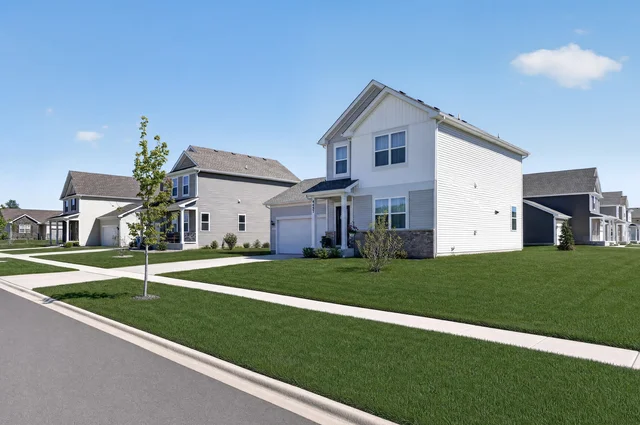
Someone recently told me that building an AI agent to schedule a real estate photography shoot is "child's play."
He's not wrong.
Connecting an API to an LLM isn't hard anymore. You can spin up an MCP server, expose a few endpoints, and suddenly an AI agent can place orders, schedule appointments, retrieve media, and update customers automatically.
That part is becoming commoditized fast.
But there's a major misunderstanding happening right now in the AI world. People are confusing software automation with real-world execution.
The software layer is easy.
The operational layer is not.
At HomeJab, we've spent years building a nationwide infrastructure that allows photography services to actually happen in the physical world. More than 2,000 vetted photographers. Scheduling systems. Quality control. Customer support. Turnaround management. Geographic coverage. Replacement photographers when someone cancels. Standards enforcement. Media review.
That's the hard part.
AI can trigger the order. It can't physically show up to the property.
And that distinction matters more than most people realize.
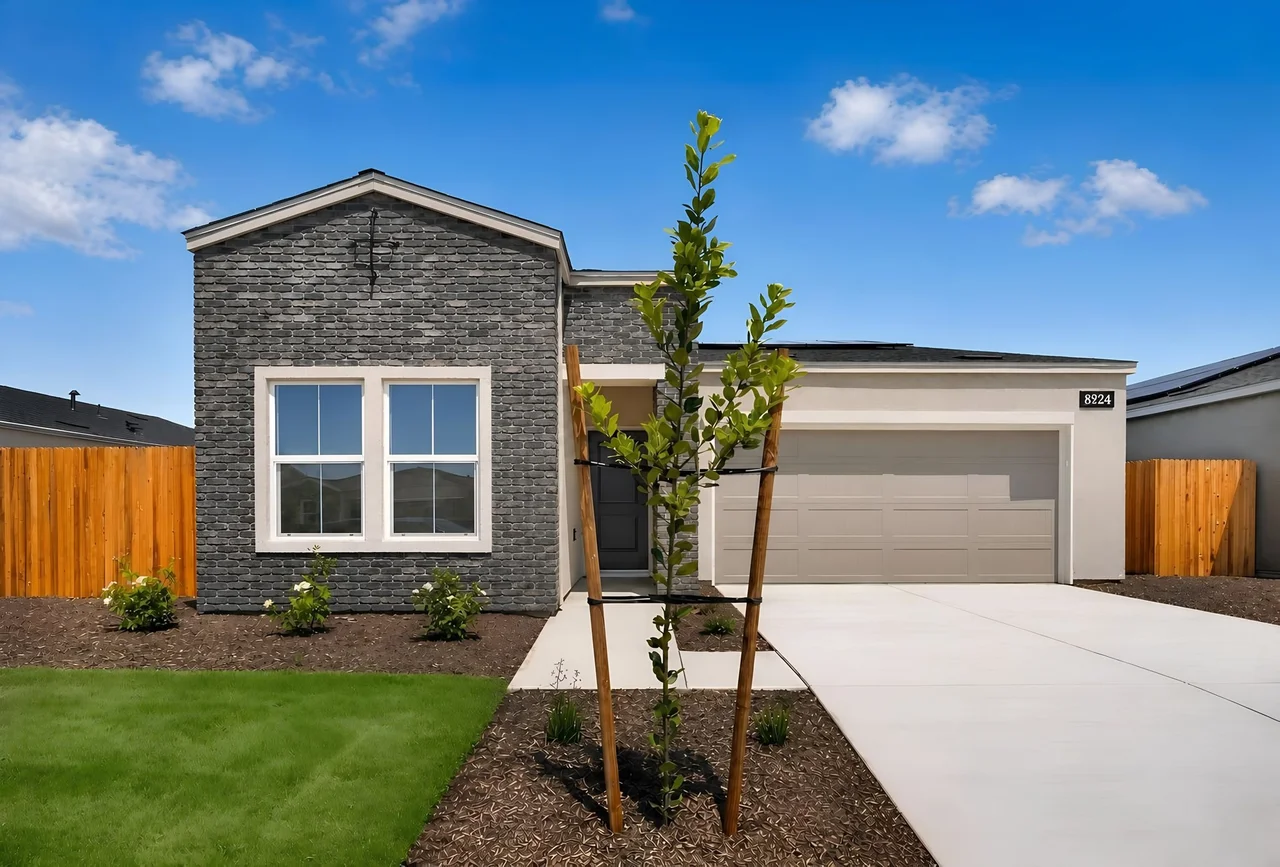
The Real Bottleneck Isn't the AI
There's a lot of excitement around AI agents right now.
An AI assistant can theoretically:
- Book a photographer
- Schedule a cleaner
- Order a landscaper
- Coordinate a contractor
- Deliver updates to a homeowner
- Retrieve files and invoices
- Manage communication
All automatically.
But what happens after the button gets pressed?
Who actually performs the work?
That's where most "AI-first" companies hit a wall. They built the interface, but not the infrastructure behind it.
In service businesses, infrastructure is the moat.
The Difference Between Digital AI and Physical AI
AI is incredibly powerful when the output is digital.
Generate an image. Write code. Summarize a document. Produce a marketing plan.
But the second AI interacts with the physical world, everything changes.
Now you need:
- Reliable people
- Geographic coverage
- Scheduling logistics
- Quality standards
- Backup systems
- Customer service
- Payments
- Vendor management
- Operations
That takes years to build correctly.
And unlike software, you can't simply "scale instantly" by adding servers.
Real-world execution has friction.
Why We Built HomeJab's API and MCP Infrastructure
At HomeJab, we recognized this shift early.
The future isn't humans manually placing orders through dashboards all day. The future is AI systems interacting directly with service infrastructure.
That's why we expanded our API and added MCP support.
Now AI agents can:
- Place photography orders
- Schedule shoots
- Reschedule appointments
- Retrieve media
- Check status updates
- Manage workflows programmatically
In other words, AI can now interact directly with the HomeJab network.
But again, the API itself isn't the breakthrough.
The breakthrough is combining AI automation with a real-world operational network that already exists.
That combination is where things get interesting.
The Next Phase of AI Is Operational
Most people are still thinking about AI as a chatbot.
We think the next phase is AI executing real-world tasks through operational networks.
Not just generating information.
Actually getting things done.
Schedule the photographer. Dispatch the cleaner. Coordinate the landscaper. Send the editor the files. Deliver the media. Update the customer.
Automatically.
That requires more than AI models.
It requires infrastructure.
The Hidden Value of Operational Networks
Over the past decade, HomeJab quietly built something much harder than software.
We built a nationwide operations network.
And I think many industries are about to realize that operational infrastructure may become more valuable in the AI era, not less.
Because when AI agents need to execute tasks in the physical world, they need trusted systems they can plug into.
The winners may not simply be the companies with the best AI.
The winners may be the companies that already built the real-world infrastructure AI needs to operate.
AI can trigger the job.
But someone still has to knock on the front door.