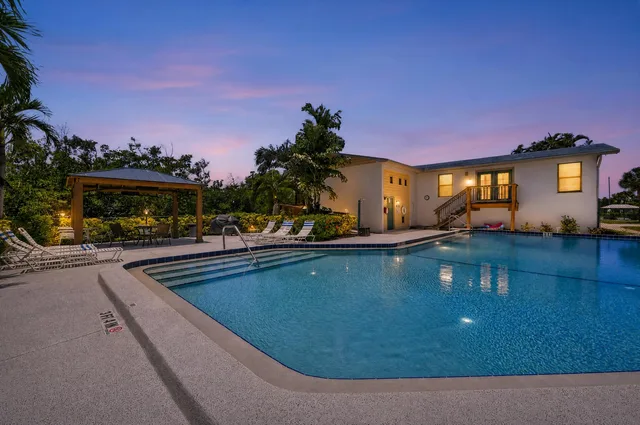
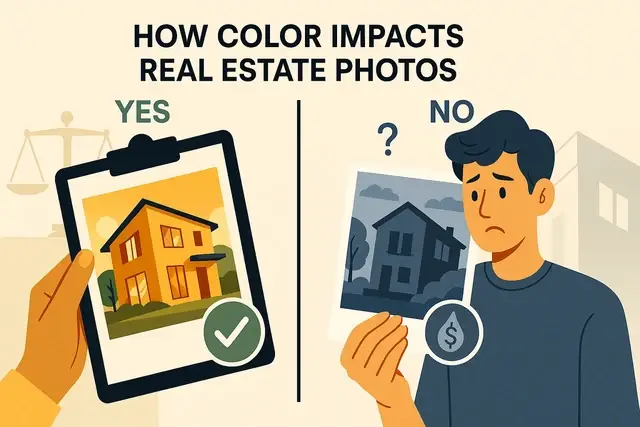
Real estate photography has always involved some level of editing.
Long before AI became a buzzword, editors were brightening rooms, replacing gray skies, correcting colors, and cleaning up distracting objects in photos. The goal was simple: present the property the best way possible while still representing it honestly.
But recently, more people have started asking an important question:
How much editing is too much?
It's a fair discussion. Buyers rely heavily on listing photos when deciding which homes to visit. Nobody wants to feel misled when they walk through the front door.
At the same time, every listing involves presentation. Sellers clean the house, stage furniture, mow the lawn, and turn on every light before photos are taken. Photography and editing are simply extensions of that process.
So where should the line be?
The Difference Between Enhancing and Misleading
In our opinion, the best rule is simple:
Editing should improve presentation, not change reality.
There's a big difference between cleaning up distractions and digitally altering the actual condition or features of a property.
For example:
Removing Clutter and Distractions
Removing garbage cans, cable cords, small debris, reflections, or random clutter from a photo is generally harmless.
In many cases, the photographer could have physically moved the item during the shoot but simply missed it. Editing helps clean up distractions so buyers focus on the property itself.
Removing a car from the driveway? Probably fine.
Removing an entire tree that blocks part of the property? That starts crossing the line because it changes the actual appearance of the home.
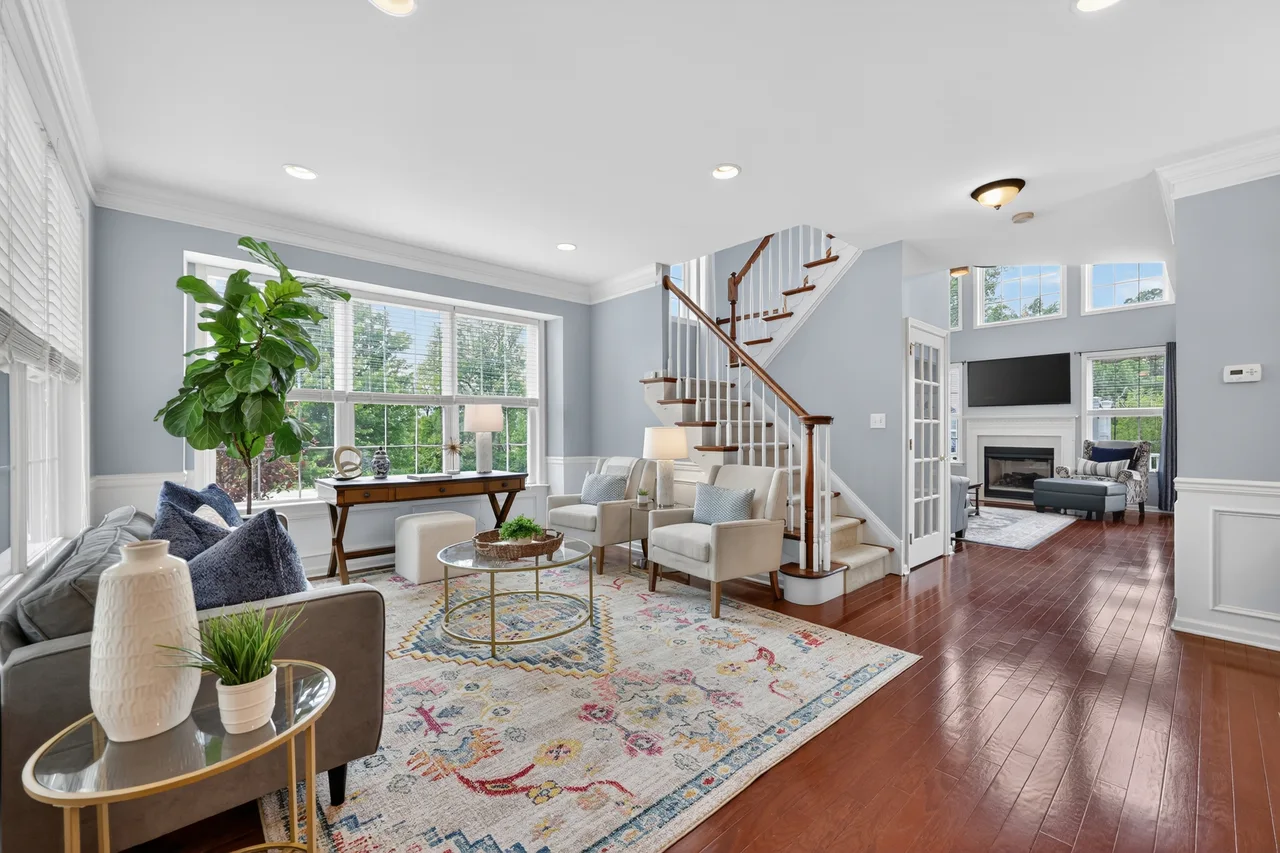
What About Driveways and Exterior Cleanup?
This gets a little more nuanced.
Cleaning dirt stains, removing puddles, or making pavement look cleaner is usually acceptable. It's similar to power washing a driveway before listing the property.
But removing large cracks or making old pavement look brand new can become misleading because it hides real condition issues buyers would expect to see.
The goal should be presentation, not concealment.
Blue Sky Replacements and Brightening Photos
This is one of the oldest edits in real estate photography.
A cloudy day can make an otherwise beautiful property feel dark and lifeless online. Replacing an overcast sky with a blue sky or slightly brightening interiors has become standard practice across the industry.
Most buyers already understand that weather changes from day to day. These edits typically don't change the property itself, they simply present it under more favorable conditions.
The same goes for balancing window light, correcting colors, or making rooms appear closer to how they look in person.
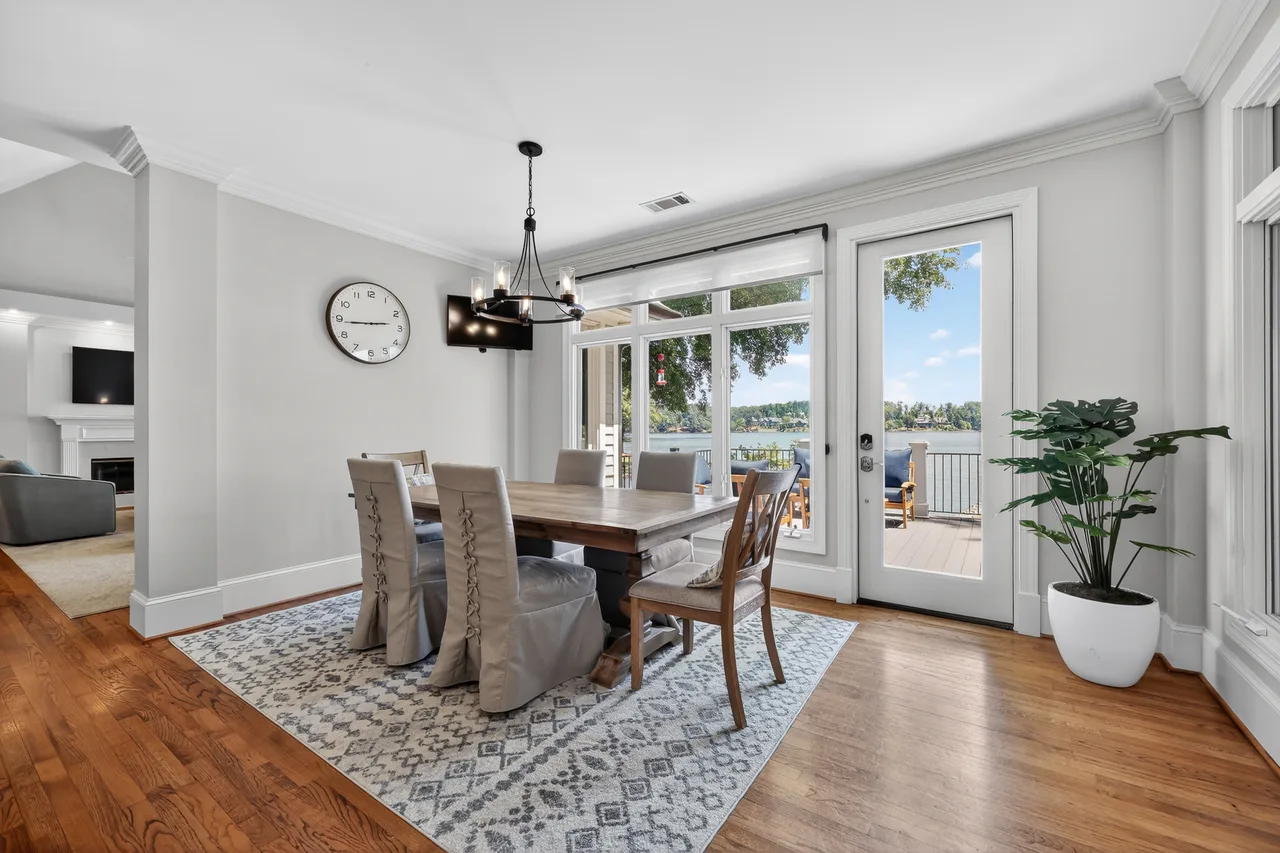
Grass, Landscaping, and Seasonal Changes
This is where opinions start to differ.
Grass naturally changes throughout the year. A property photographed in January will look very different from the same property photographed in May.
Making grass slightly greener or adding natural vibrancy to landscaping often feels reasonable because the property may actually look that way during another season.
But filling in large dead patches, creating landscaping that doesn't exist, or adding flowers and greenery that dramatically change the appearance of the yard can start becoming misleading.
There's a difference between seasonal enhancement and creating a fantasy version of the property.
Virtual Staging Isn't Really New
Some people criticize virtual staging while accepting traditional staging without question.
But in reality, both serve the same purpose: helping buyers visualize how a space can function.
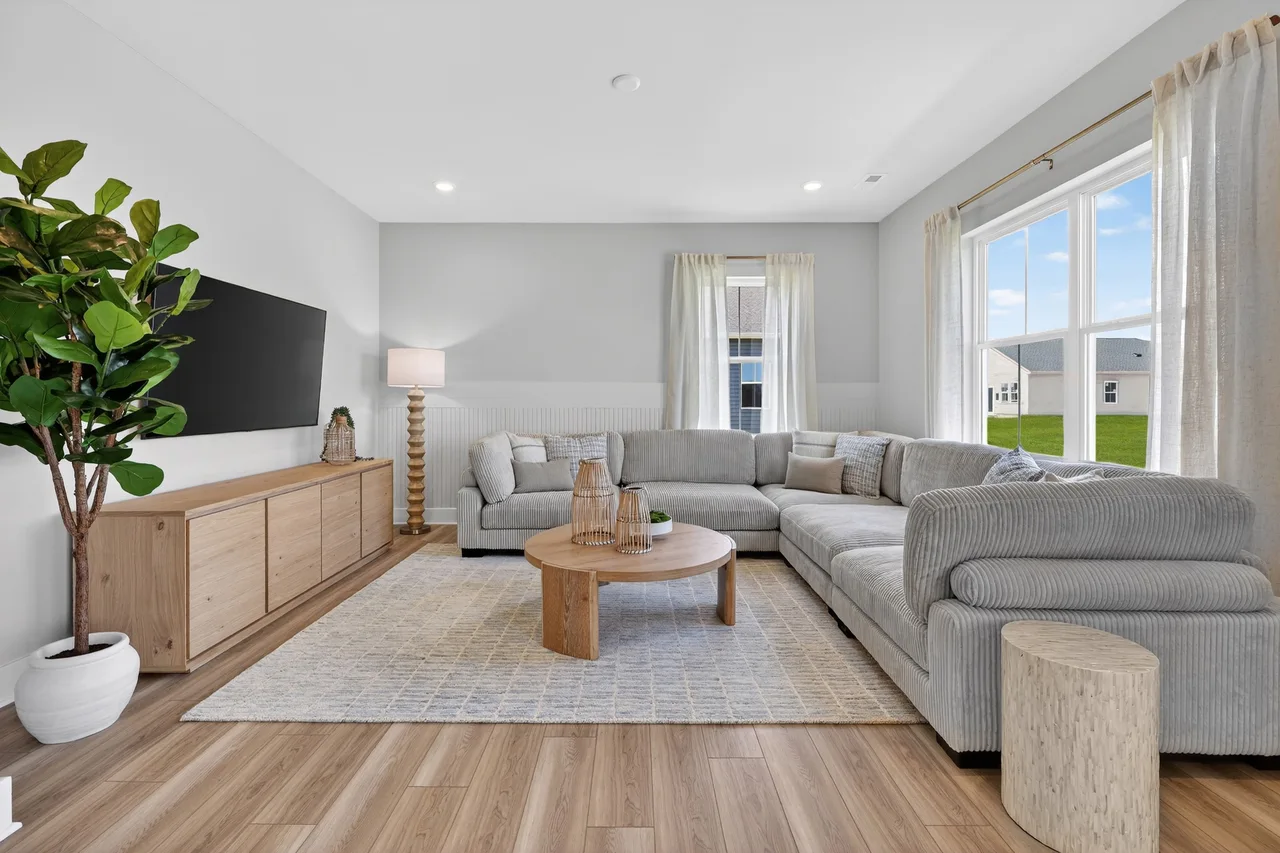
Empty rooms often look smaller and less inviting in photos. Adding virtual furniture helps buyers understand scale, layout, and flow.
The important part is disclosure. Buyers should know when a room has been virtually staged, just like they understand that professionally staged homes may not look the same after furniture is removed.
The Same Standards Should Apply Everywhere
The line should always come back to honesty.
Enhancing lighting? Fine.
Cleaning up distractions? Fine.
Improving composition and color? Fine.
Hiding defects or changing permanent features? Not fine.
Real estate photography should help properties look their best online. That's the job.
But the best listing photos still create the same reaction when buyers arrive in person:
"This looks exactly like the photos."
That's ultimately the standard the industry should aim for.
Wondering what professional real estate photography and editing looks like in practice? See how HomeJab approaches ethical photo editing — and learn more about the 4 things real estate photographers edit out of listing photos.
Frequently Asked Questions
Is it ethical to replace the sky in real estate photos?
Yes, sky replacement is considered an ethical and standard practice in real estate photography. Weather changes daily and a blue sky doesn't alter any feature of the property itself. The vast majority of professional listing photos include some form of sky enhancement. The key is that the sky replacement should look natural — not theatrical — and should not be used to obscure environmental context like nearby power lines or structures.
Can real estate agents remove objects from listing photos?
Removing temporary clutter — garbage cans, cars in the driveway, cable cords, minor debris — is widely accepted and does not misrepresent the property. However, removing structural elements, hiding visible defects (like cracks, stains, or damaged features), or digitally altering the permanent condition of the home is considered misleading and potentially violates NAR's Code of Ethics.
Is virtual staging considered deceptive in real estate?
Virtual staging is not deceptive as long as it is disclosed. The same standards that apply to physical staging apply to virtual staging: buyers understand that staged photos represent potential, not the state the home will be delivered in. Photos should be labeled as virtually staged so buyers aren't surprised when they walk through an empty property.
What real estate photo edits are considered unethical?
The following edits are generally considered misleading or unethical in real estate photography: hiding structural damage or defects, digitally adding features that don't exist (pools, landscaping, rooms), making a property appear significantly larger than it is, and removing permanent structures or neighboring buildings that affect the property's value or appearance.
What is the standard for ethical real estate photography?
The simplest standard: a buyer should walk through the front door and feel like the home looks exactly like the photos. Editing that helps a property present its genuine best — without hiding problems or fabricating features — is ethical. Editing that creates expectations the property can't meet is not.