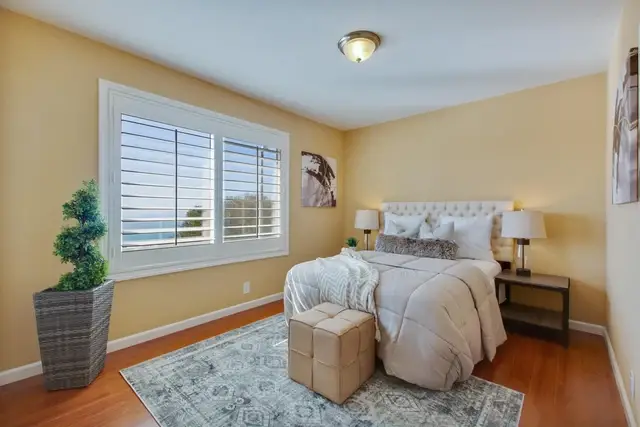
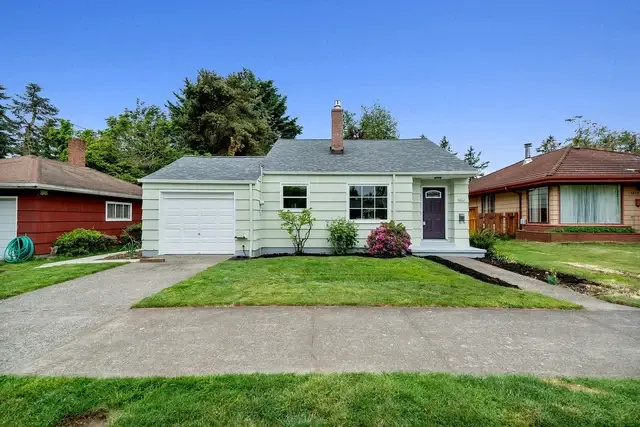
What Makes Real Estate Photography a Popular Side Hustle?
In today’s housing market, the demand for quality online listings is at an all-time high, making professional real estate photography crucial for selling properties. And the statistics back it up:- Properties featuring professional photography tend to sell 32% quicker.
- Listings with aerial photos move 68% faster.
- Homes with video content receive 403% more inquiries compared to those without.

Essential Skills and Equipment for Success
You can have all the passion in the world, but if you’re not equipped with the right tools, it’s going to be a challenge to get those professional results that make clients say, “Wow.” It’s more than snapping a few photos; it’s about showcasing properties in a way that attracts buyers. And to do that, you need the right gear. First up, your camera. A professional DSLR camera is a must. You need something that can capture every detail, from the texture of a countertop to the light streaming through a window. And speaking of light, let’s talk about lenses. For real estate photography, a wide-angle lens is a must-have in your kit. It helps you capture the full scope of a room, making spaces look as inviting and spacious as they really are. Overall, having a range of lenses will give you the most flexibility. A tripod might not seem like the most glamorous piece of equipment, but it’s essential. It gives you that steady shot every time, ensuring consistency across your work. And if you’re thinking about going the extra mile (which you should), consider a drone. Aerial views can set your work apart, offering a perspective that’s both dramatic and highly sought after. Having the right tools not only boosts the quality of your images but also builds your reputation as a photographer who can deliver top-notch results. Clients will notice, and that’s what will keep them coming back for more.
Balancing Real Estate Photography with Your Full-Time Job
Balancing real estate photography with a full-time job requires careful time management and clear communication. Most real estate photo shoots can be scheduled during evenings or weekends, making it possible to pursue this side hustle without interfering with your primary work hours. However, it's crucial to set realistic expectations with your clients about your availability and turnaround times. To maintain this balance, consider limiting the number of shoots you accept each week and invest in efficient editing software to streamline your post-processing workflow. Additionally, be upfront with your full-time employer about your side business to avoid any potential conflicts of interest.
Challenges to Consider Before Starting
Before diving into real estate photography as a side hustle, it's important to consider the challenges you may face. One of the primary hurdles is the fierce competition in the market. Many established photographers and even some homeowners with decent cameras are vying for the same jobs, which can make it difficult to secure clients, especially when you're just starting out. Perhaps the most crucial factor to consider is the need for a strong portfolio. Without a solid collection of high-quality real estate photos to showcase your skills, it can be extremely challenging to convince potential clients to hire you. Building this photography portfolio often requires time and may involve offering free or discounted services initially to gain experience and examples of your work. Additionally, there's the matter of investment. While you can start with basic equipment, producing professional-quality photos often requires more specialized gear. This might include adding more lenses to your kit, lighting equipment, and superior editing software, all of which can represent a significant upfront cost. It's essential to carefully weigh these financial considerations against your expected return on investment, especially in the early stages of your side hustle. Lastly, your skills need to be up to par. Not everyone has a keen eye for detail, an understanding of composition, and the ability to work with various lighting conditions when it comes to properties.