For years, the real estate industry has invested heavily in technology that helps sell homes.
We have better listing portals, better photography, 3D tours, floor plans, automated valuations, digital closings and increasingly sophisticated AI tools. Almost every part of the transaction is becoming faster and more automated.
But there is another part of the real estate transaction that gets much less attention.
It happens before the listing ever goes live.
Someone has to get the property ready.
That might mean painting three rooms, fixing drywall, replacing flooring, cleaning the house, removing junk, cutting the lawn, repairing a bathroom, changing locks or completing a much larger renovation.
Then, when all of that is finished, someone still has to photograph the property.
There is a massive economy around preparing homes for sale, and I think it is one of the most overlooked opportunities in real estate.
The numbers are much bigger than photography
I come at this from the real estate photography industry, so photography is a useful comparison.
HomeJab's research found that the average standard real estate photography package nationally was approximately $230 in 2025.
The National Association of Realtors reported that existing-home sales were running at a seasonally adjusted annual rate of 4.09 million homes in June 2026. The median existing-home sales price was $440,600.
If you took 4.09 million homes and hypothetically put a $230 photography package on every single one, you would get a market of about $940 million per year.
Obviously, the actual real estate media market is more complicated. Some properties aren't professionally photographed at all. Others receive photography plus video, drone, 3D tours, floor plans, virtual staging and other services that push the total spend much higher.
Even if we generously said the total listing media opportunity was several times larger than photography alone, it would still be relatively small compared with what homeowners spend physically preparing and improving properties.
Harvard University's Joint Center for Housing Studies expects homeowners to spend approximately $518 billion on improvements and repairs in 2026. Its latest forecast has spending remaining around $519 billion through the middle of 2027.
Of course, most of that $500+ billion market has nothing to do with selling a home. People renovate kitchens, replace roofs and remodel bathrooms because they plan to live in their homes for years.
But a meaningful amount of money also gets spent because someone is about to sell.
Most sellers do something to the house before listing
Zillow's 2024 Consumer Housing Trends Report found that 72% of sellers completed at least one home improvement before selling. Among sellers who made improvements, 46% painted the interior, 42% made bathroom improvements, 38% made kitchen improvements and 35% landscaped the yard. Flooring, exterior painting, appliances and roof repairs were also common.
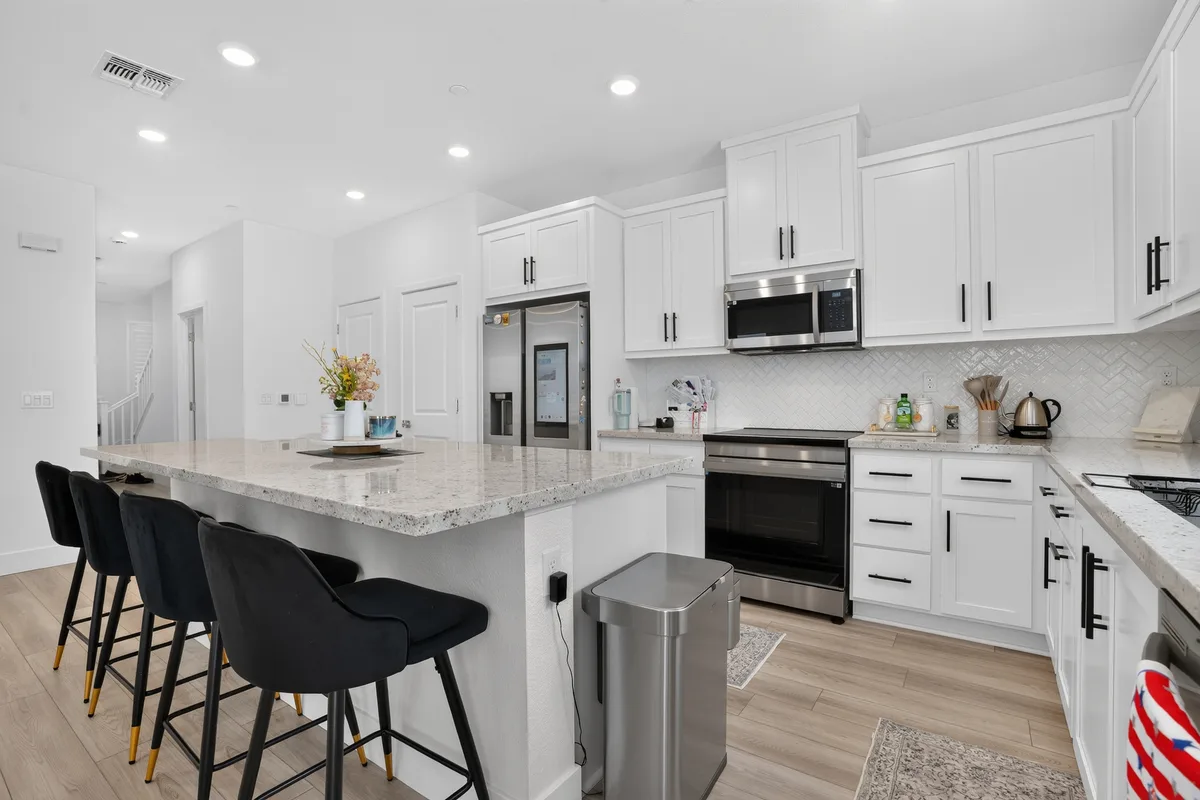
Those numbers are important because we're not just talking about cleaning the house before taking pictures.
People are putting real money into these properties.
Zillow has studied this for years. In an earlier study with Thumbtack, the average seller who hired professionals for common home preparation projects spent $6,570. That included interior and exterior painting, staging, lawn care, carpet cleaning, house cleaning and moving expenses.
That study was done in 2019, so I wouldn't use $6,570 as an estimate of what those same services cost today. Labor and material costs have changed significantly.
But it gives us some perspective.
Take today's annualized pace of about 4.09 million existing-home sales. Take Zillow's more recent finding that 72% of sellers make at least one improvement. Then consider that sellers were already spending thousands of dollars on professional preparation services years ago.
You quickly get into a market measured in tens of billions of dollars.
And that still doesn't properly account for bigger projects.
A seller may spend $15,000 remodeling a bathroom before going to market. Another might spend $30,000 updating a kitchen. An investor selling a vacant property might need painting, flooring, landscaping, cleaning, plumbing, electrical work and dozens of smaller repairs.
The photography bill might be $200 or $300.
The work required to get the house ready for the photographer could be $5,000, $10,000 or $50,000.
That's a completely different market.
A $440,000 asset with a surprisingly fragmented preparation process
This is what I find particularly interesting.
The median existing home in America is selling for more than $440,000 right now.
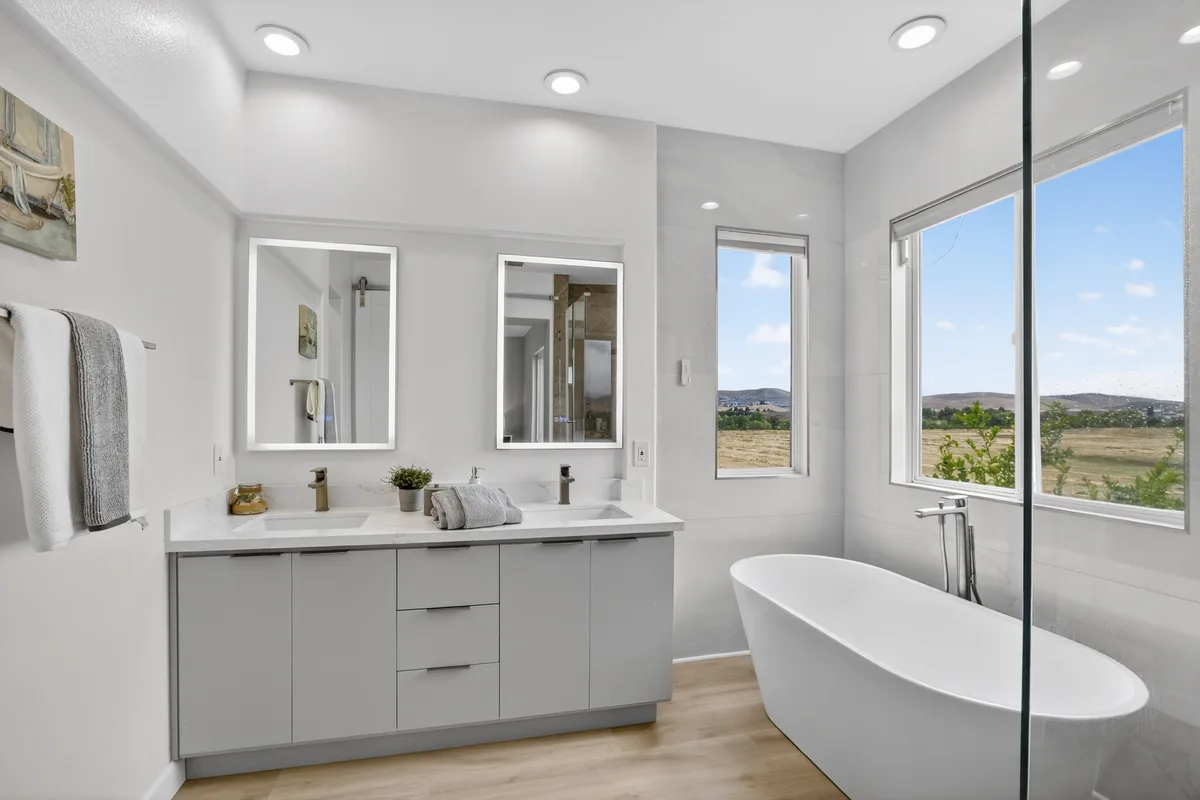
Think about the amount of technology surrounding the sale of that asset.
There are sophisticated systems for searching for the house, financing it, valuing it, scheduling showings, signing contracts and transferring money.
Now think about what happens when the seller needs the house painted before listing.
They might ask their agent if they know someone.
The agent texts a painter.
Someone else recommends a cleaner.
The seller finds a landscaper.
There is a handyman coming Tuesday.
The carpet company is coming Thursday.
The photographer can't come until everything else is finished.
There might be five different companies involved, five different schedules, five invoices and dozens of text messages.
There is usually no central system coordinating any of it.
For an asset worth hundreds of thousands of dollars, the process of physically preparing it for sale is still remarkably fragmented.
I think that's going to change.
AI will probably manage the work before it can perform the work
There is a lot of discussion right now about what AI will do to real estate.
Will people still need agents?
Will AI write the listing?
Will AI determine the price?
Will buyers need listing portals if an AI assistant can just find the right house for them?
Those are all interesting questions, but I think there is another use of AI that could become just as important.
Imagine telling an AI system:
"I want to sell my house."
The AI already knows the property. It can access public records, previous listing photos, comparable sales, local market conditions and probably a lot more.
You walk through the house with your phone and show it every room.
The AI identifies what should be fixed.
Paint this room.
Repair the drywall here.
Don't replace the kitchen because you probably won't get the investment back.
Replace this carpet.
Pressure wash the patio.
Trim these bushes.
Fix the leaking faucet.
Clean everything.
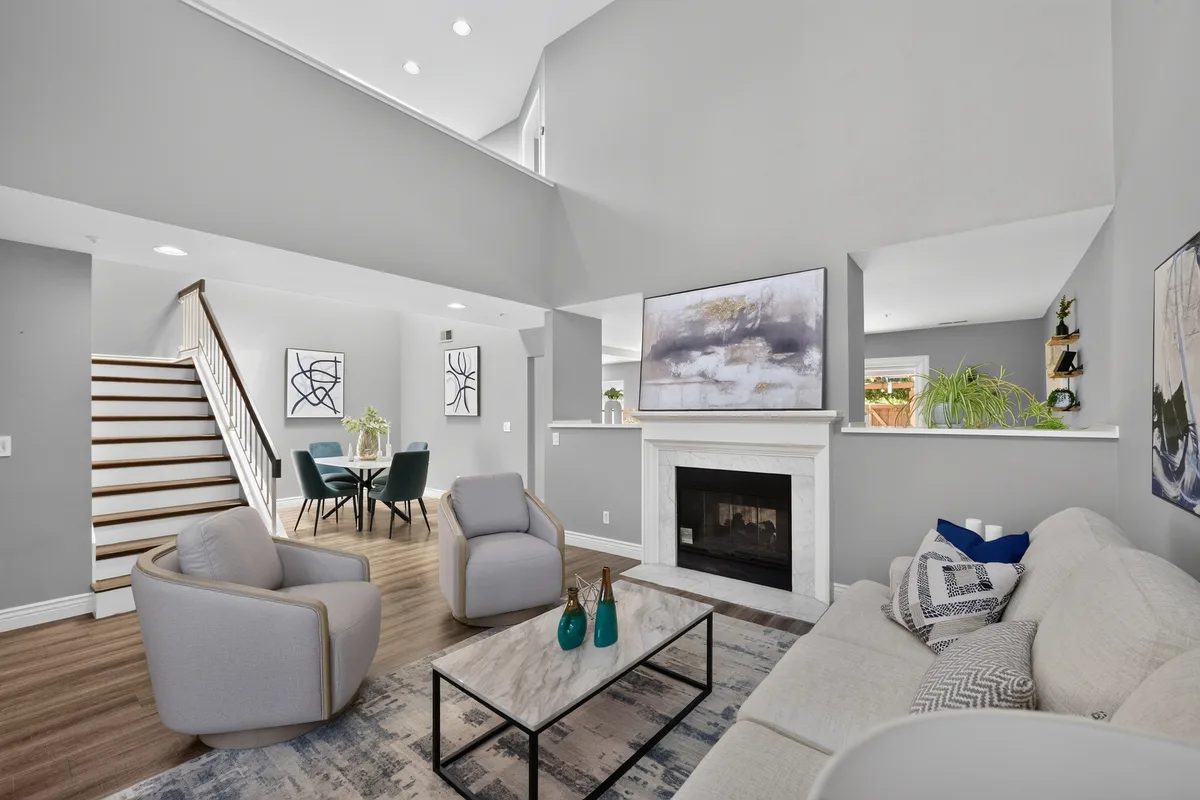
It could estimate the cost of each project and the potential impact on the sale.
Then you approve the work.
From there, the AI schedules the painter, landscaper, handyman and cleaner. It coordinates access to the property. It makes sure one job is completed before the next one begins. Photos or computer vision verify the work.
When the house is ready, it automatically schedules the photographer.
The photography, video, floor plan and other media are delivered and the listing is created.
What we call "listing preparation" today could eventually become a largely automated workflow.
But there is an important catch.
AI can't paint the bedroom.
It can't replace the toilet.
It can't cut the lawn.
It can't install new flooring.
And it can't walk through the property with a professional camera and physically capture the home, at least not yet.
AI can order the work long before it can swing the hammer.
That means the next phase of real estate technology may not be about replacing all of the humans involved in preparing a property.
It may be about doing a much better job of coordinating them.
The physical world still matters
Software is relatively easy to scale.
Physical services are much harder.
Every property is different. Someone has to drive there. Someone has to have the right tools and skills. People cancel. Materials aren't available. A two-hour repair turns into a two-day repair because someone opens a wall and finds another problem.
That complexity is exactly why this part of real estate has been difficult to consolidate.
But AI changes some of the economics.
It can dramatically reduce the administrative work required to manage thousands of small jobs.
It can help determine what needs to be done, match the right person with the work, communicate instructions, coordinate schedules, review photos, process payments and keep everyone updated.
The physical service provider still does the job.
The intelligence and coordination around that provider become automated.
That could make large-scale networks of local service professionals much more efficient than they have ever been before.
And eventually, there will probably be robots
I don't think robots are replacing contractors anytime soon.
Existing homes are probably one of the most difficult environments imaginable for robotics. Every house is different and every repair has its own surprises.
Building the same wall 1,000 times inside a factory is one thing.
Walking into a 70-year-old house, figuring out why something is leaking and repairing it without damaging anything else is very different.
But over time, robotics will become part of this market too.
We will probably see more robotic lawn equipment, cleaning, property inspections, painting and specialized construction tasks. New construction will likely automate faster than renovation because the environment is more controlled.
Eventually, the system coordinating a property for sale may dispatch both humans and machines.
But we're not there yet.
For the foreseeable future, I think AI's bigger role will be coordinating the physical workforce rather than replacing it.
Real estate technology has focused on the listing. The bigger opportunity may be the property.
This is something we've started thinking about a lot at HomeJab.
Our business has historically started when the property was ready to be photographed.
But increasingly, the more interesting question is what happens before that.
The photography may cost a few hundred dollars.
The preparation of the property can cost thousands or tens of thousands.

Multiply that across millions of homes changing hands every year and the size of the opportunity becomes enormous.
This doesn't mean every seller should renovate their house before selling it. In many cases, they absolutely shouldn't. Part of the opportunity is using better data to determine what is actually worth doing.
The goal shouldn't be to spend as much money as possible on a property before listing it.
The goal should be to determine the right work, get it completed quickly and reliably, and get the property on the market.
The real estate industry has spent decades building technology around the transaction.
I think the next big opportunity is building the infrastructure around the physical property itself.
And that market is much bigger than photography.