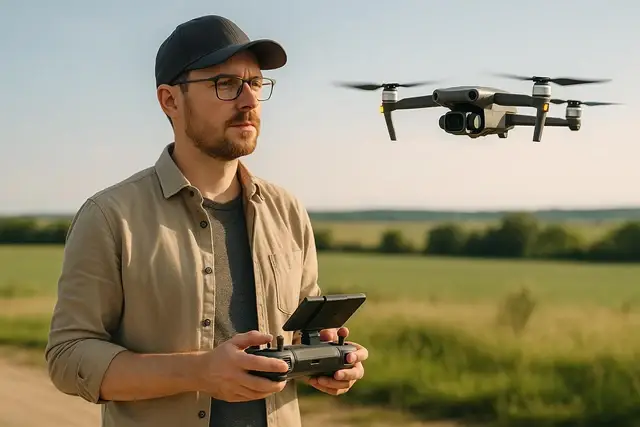
Drone photography has become a normal part of real estate marketing.
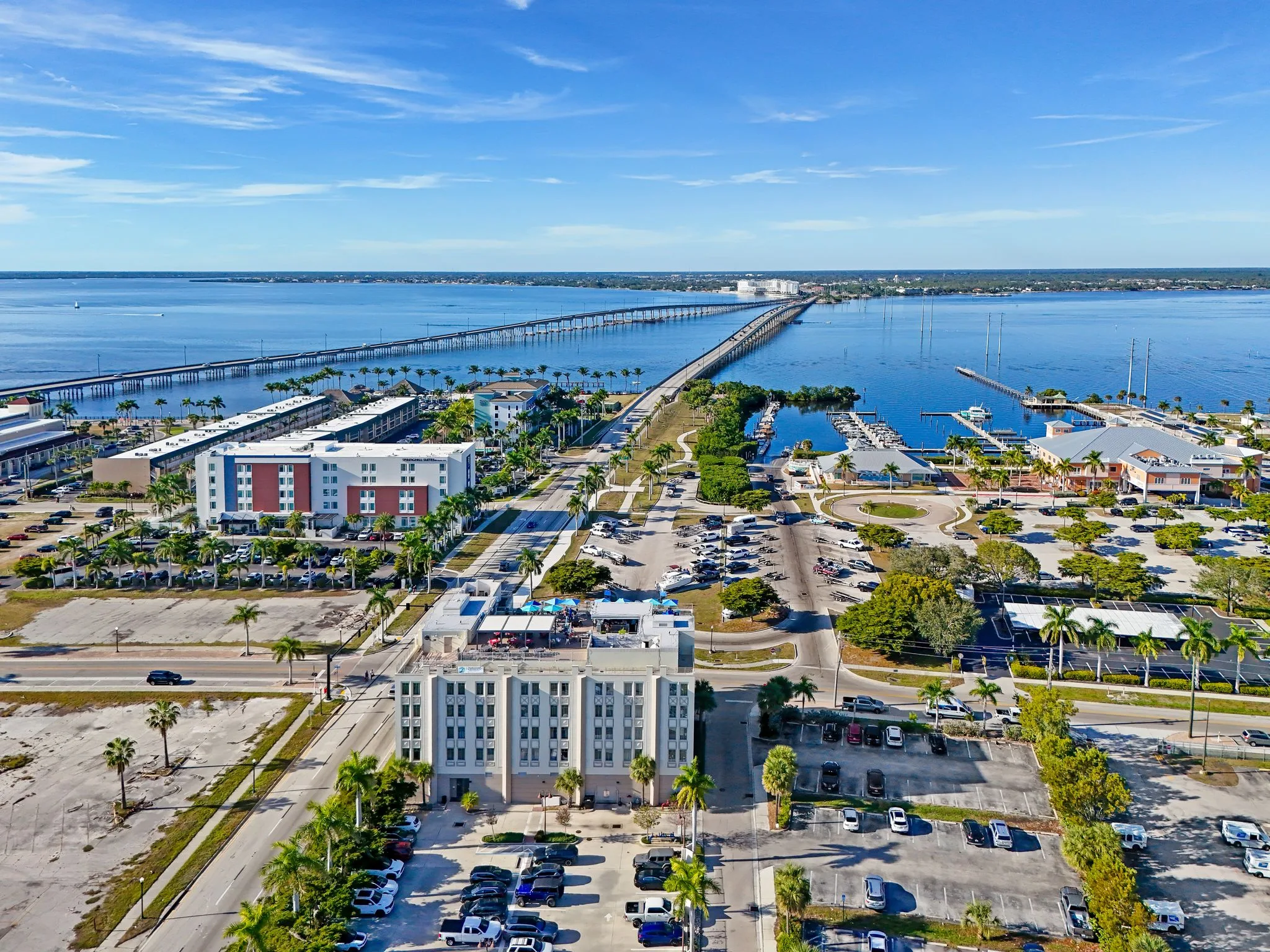
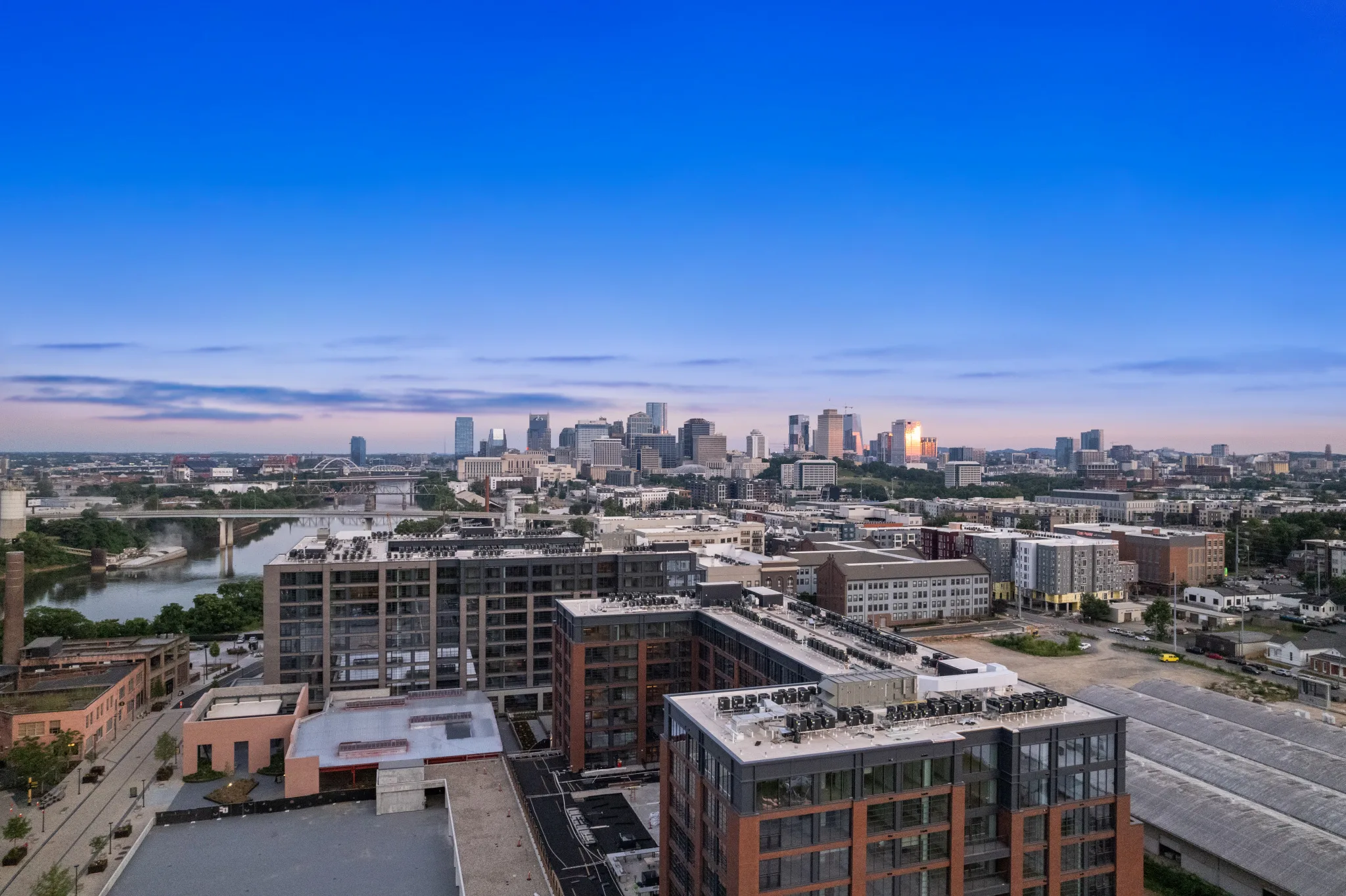
For many listings, aerial photos are expected. Agents want to show the property, the lot, the neighborhood, nearby amenities, water views, golf courses, downtown skylines, and everything else that helps a listing stand out.
But during the FIFA World Cup, drone photography has suddenly become a lot more complicated.
For the first time in HomeJab's history, one of our photographers had a drone confiscated by federal authorities while out shooting.
The issue was not the property itself. The issue was airspace.
The FAA has created temporary flight restrictions around World Cup stadiums, fan events, team sites, and other related locations.
On match days, aircraft operations, including drones, are prohibited within a three-nautical-mile radius and up to 3,000 feet above ground level around World Cup stadiums unless specifically authorized.
Additional restrictions also apply around certain fan-event locations, generally within a one-nautical-mile radius and up to 1,000 feet.
That means a real estate photographer can be doing what feels like a routine listing shoot, miles away from a stadium or event, and still unknowingly enter restricted airspace.
According to Reuters, U.S. agencies have seized more than 600 drones near World Cup venues and fan zones since the tournament began on June 11.
The FBI said drones have been seized from restricted airspace across all 11 U.S. host cities, including Miami, Dallas, and other major markets.
The FAA has made it clear that drone operators who enter restricted airspace without authorization can face serious consequences, including fines up to $100,000, drone confiscation, and federal criminal charges.
Federal law enforcement is also authorized to use specialized mitigation tools to address unauthorized drone flights.
The FBI has issued similar warnings. In Miami, the FBI said it is enforcing "NO DRONE ZONES" around World Cup games and fan festivals and that violations can lead to civil fines, criminal fines, imprisonment, and seizure of the drone.
This matters for real estate because drone work is not only happening near stadiums.
It happens in residential neighborhoods, commercial corridors, suburbs, downtown areas, and near parks or public spaces.
During a major event like the World Cup, temporary restrictions can cover areas where photographers may not expect any issue.
One of the documents our photographer received was a United States District Court violation notice from the Central Violations Bureau.
The notice explains that the operator may either pay the amount listed or appear in court, depending on the box checked on the form.
Another document included contact information for an FBI special agent in the Atlanta Division. We are not publishing those documents because they contain personal and case-specific information, but they show how seriously these violations are being treated.
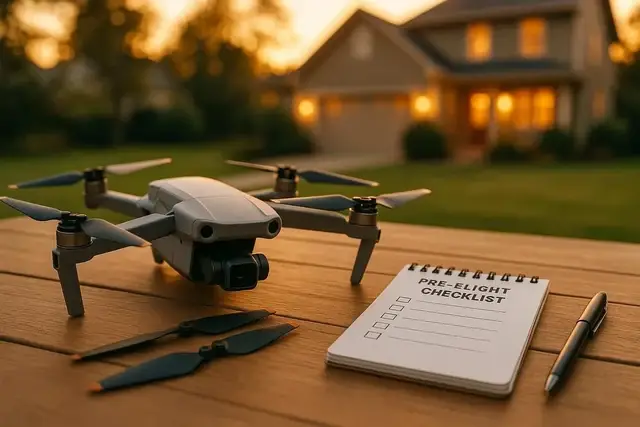
For real estate photographers, the lesson is simple: checking the weather and charging your batteries is no longer enough.
You need to check the airspace before every drone shoot, especially during major sporting events, concerts, political events, emergency situations, or anything else that may trigger a Temporary Flight Restriction.
The FAA specifically advises drone pilots to check airspace restrictions using B4UFLY apps or official Temporary Flight Restriction notices before flying near a World Cup host city.
The FAA also notes that even experienced remote pilots or pilots with standard airspace authorization are not permitted to fly during active World Cup TFR windows unless specifically authorized.
For real estate agents and property owners, this can also explain why aerial photos may not always be possible on the originally scheduled shoot date.
If a property is inside or near restricted airspace, the photographer may need to skip the drone portion, reschedule aerials, or wait until the restriction is lifted.
Drone photography is still one of the most effective ways to market real estate.
But the World Cup is a reminder that drones operate in regulated airspace. The rules can change quickly, and the consequences for getting it wrong can be severe.
At HomeJab, we are reminding our photographer network to check airspace before every drone flight and to take temporary restrictions seriously.
A listing photo shoot is never worth risking a drone seizure, a federal citation, or a criminal charge.
The real estate industry has embraced drone photography because it gives buyers a better view of the property. But as drones become more common, enforcement is becoming more visible too.
The takeaway for photographers is clear: before you fly, check the airspace.
And during the World Cup, check it twice.