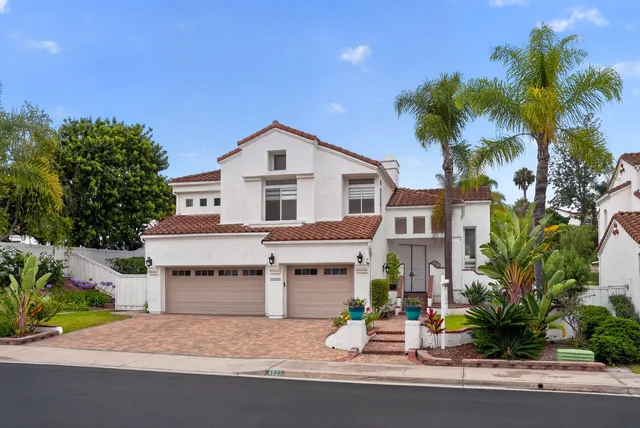
Most homeowners want to get the highest possible price when they sell.
But when it comes time to prepare the home for the market, many sellers become hesitant to spend more money on a property they're about to leave.
The house may need painting. The landscaping may be overgrown. The carpets may need to be replaced. There may be small repairs that have been ignored for years.
An agent can explain why these improvements matter, but the seller still has to make a decision:
Do I really want to spend thousands of dollars on a house I'm selling next month?
Increasingly, the answer may depend less on the total cost and more on when the seller has to pay it.
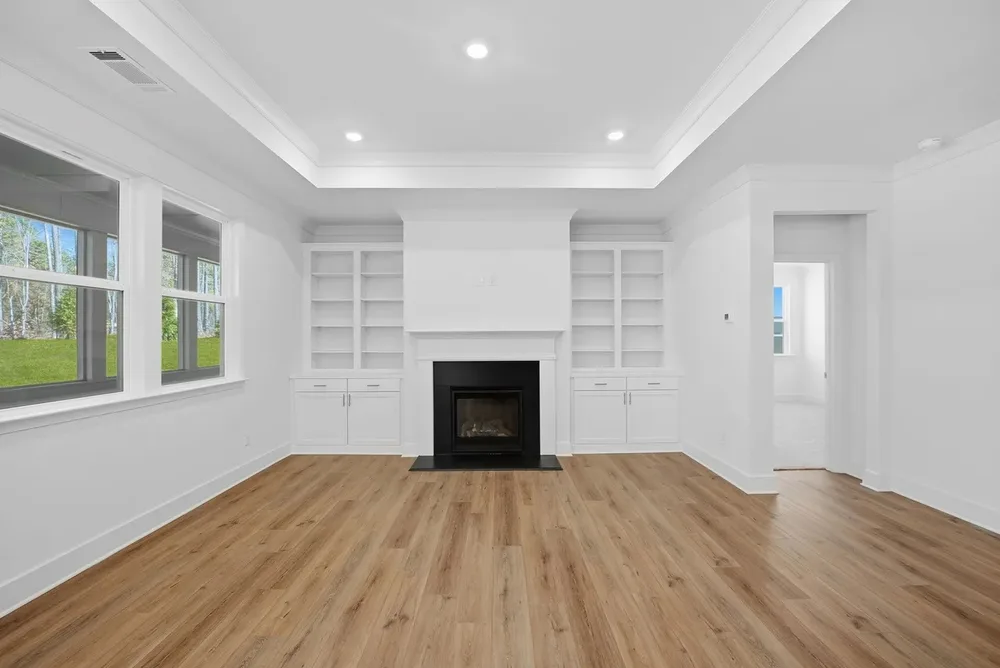
What Happens When Payment Moves to Closing?
Titus, a financing platform built specifically for real estate services, has collected some interesting data on this question.
Among home staging businesses using its platform from 2024 through 2026, the average pay-at-close transaction was $2,792, compared with $1,748 for transactions paid by card.
That's a 60% difference.
Pay-at-close also represented about 18% of staging payments on the platform.
The same pattern appears in real estate photography, although the difference is smaller. Titus reports an average order of $413 when agents pay at closing versus $327 when they pay by card — a 26% increase. More than 5,000 agents have used the option through photography companies on the platform.
These numbers don't necessarily prove that financing causes every seller or agent to spend more.
But they do suggest something important:
Upfront cost creates friction.
Remove that friction, and customers may make a different decision.
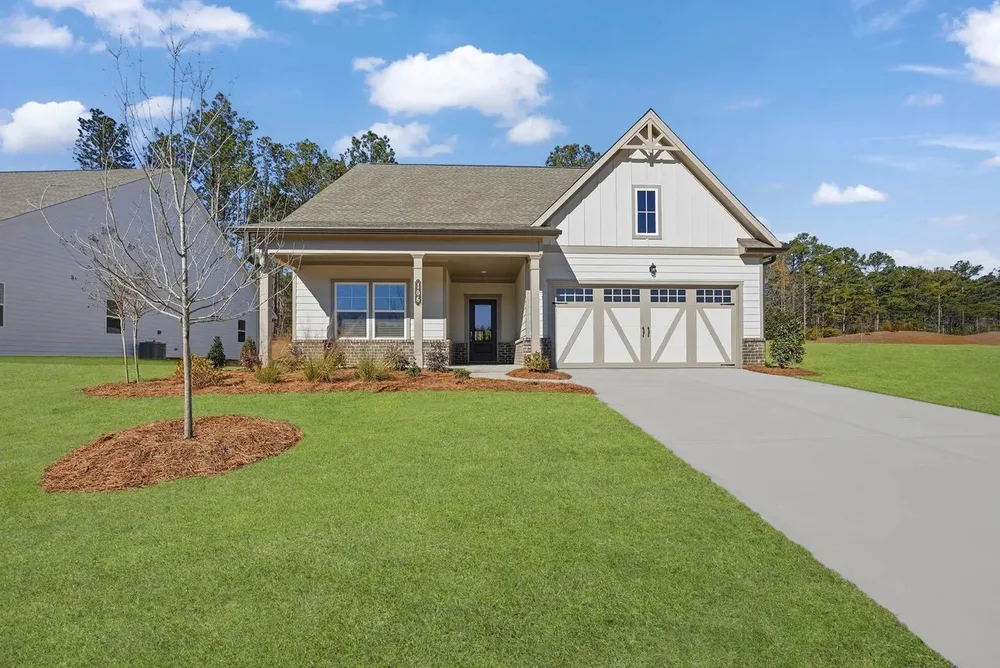
Sellers Are in an Unusual Financial Position
Think about the economics of selling a home.
A homeowner might be preparing to sell a property for $500,000 while having significant equity tied up in that home.
At the same time, they may be asked to spend several thousand dollars out of their checking account before listing it.
That money could go toward:
- Painting
- Cleaning
- Landscaping
- Flooring
- Staging
- Photography
- Repairs
- Other improvements needed to make the property market-ready
Those are all services Titus currently allows to be financed through its pay-at-close program.
The problem isn't necessarily that the homeowner doesn't have wealth.
It's that much of that wealth is locked inside the property.
So a seller can simultaneously own a valuable asset and feel cash-constrained when an agent recommends $5,000 or $10,000 worth of improvements.
"I Don't Want to Put Any More Money Into This House"
It's a phrase almost every experienced real estate agent has heard.
And it's understandable.
Once a homeowner has decided to sell, their mindset changes. They're no longer thinking about enjoying a new kitchen, freshly painted rooms or upgraded landscaping for the next five years.
They just want to move.
That makes every additional expense feel painful.
But economically, some of those improvements may still make sense if they help the property sell faster, attract stronger offers or avoid buyers discounting the home for obvious deficiencies.
Pay-at-close changes how that decision feels.
Instead of asking:
"Do you want to spend $7,500 today to prepare the house?"
the conversation becomes:
"Do you want to invest $7,500 in preparing the property and have it deducted from your proceeds when the home sells?"
It's still $7,500.
But psychologically — and from a cash-flow standpoint — those are very different propositions.
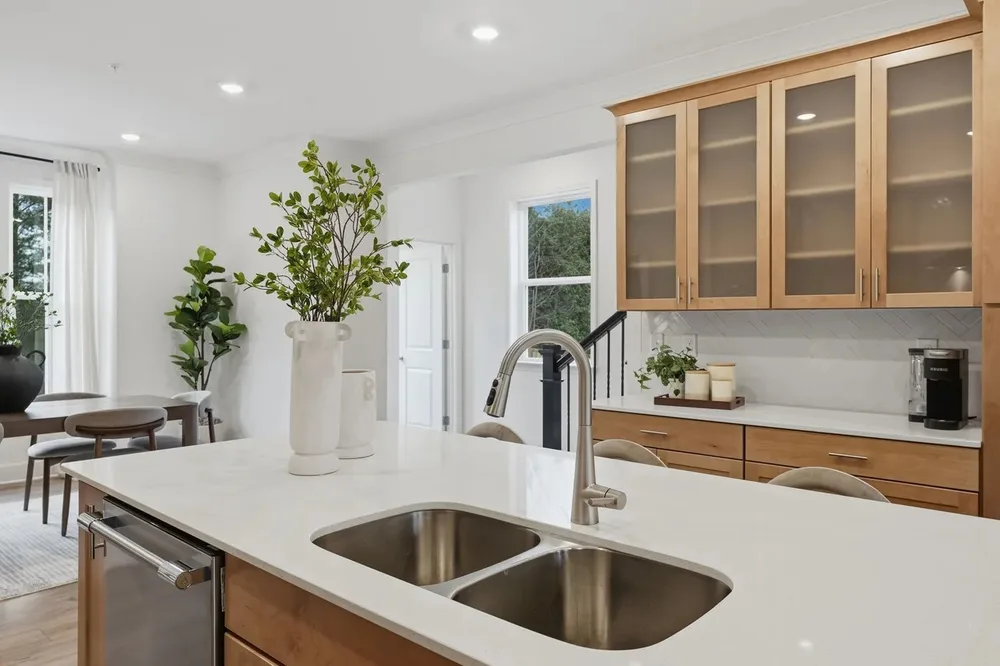
This Could Change the Role of Listing Prep
Titus says more than $100 million has now been financed through pay-at-close on its platform, and that its services are being used in connection with approximately 3.5% of U.S. home sales.
We're likely still in the early stages of this model.
Historically, listing preparation has been fragmented.
The agent recommends a painter.
The homeowner finds a cleaner.
Someone calls a landscaper.
The agent orders photography.
The homeowner pays each company separately.
But there's another model emerging:
Identify everything the property needs before it hits the market, complete the work, and settle the cost from the proceeds of the sale.
For the seller, that removes one of the biggest objections to preparing the property properly.
For the agent, it can make it easier to recommend the work they believe will give the listing its best chance of success.
HomeJab Is Bringing Pay-at-Close to Listing Prep
HomeJab has spent years helping agents prepare listings through professional photography, video, aerials, floor plans and other real estate media.
We're now expanding further into listing preparation itself.
Depending on the property and market, that can include services such as cleaning, landscaping, rekeying, repairs, painting and larger home improvement projects.
And we're beginning to offer pay-at-close financing for eligible listing-prep projects, allowing qualified sellers to complete work now and pay for it from the proceeds when the property sells.
Our goal isn't to encourage homeowners to spend money unnecessarily.
It's to remove the timing problem from the decision.
If an improvement makes financial sense for the sale, a homeowner shouldn't necessarily have to reject it simply because they don't want to write another large check weeks before closing.
The bigger question for the real estate industry may ultimately be this:
If sellers no longer have to pay upfront, how much more could we do to prepare homes properly before they hit the market?