There is a new term starting to show up in real estate conversations: housefishing.
It is essentially the real estate version of catfishing. A property looks one way online, but when the buyer arrives, the reality is noticeably different.
The term may be new, but the concept is not.
Real estate photography has always involved decisions about what to show, what not to show, and how to make a property look its best. A photographer can choose an angle that makes a room feel larger. They can crop out the neighboring property. They can avoid showing that the home sits on a steep hill, backs up to train tracks, or is close to a highway.
None of that requires artificial intelligence.
These techniques have existed for decades. What AI has changed is the speed, scale, and realism of what can now be altered.
Today, almost anyone can remove permanent features, replace landscaping, renovate a kitchen, add furniture, improve a view, or generate an entirely different version of a property within minutes.
That makes it more important than ever to define where professional presentation ends and misleading advertising begins.
What Is Housefishing?
We should define housefishing broadly.
It is not limited to AI-generated images. Housefishing is any use of photography, editing, staging, composition, or selective framing that creates a materially false expectation of a property.
That could involve digitally changing the home, but it could also involve deliberately avoiding important surroundings or using photography techniques that significantly distort the space.
The key question is simple:
Will a reasonable buyer feel misled when they arrive at the property?
Professional real estate photography should present a home in its best light. It should not create a version of the property that does not exist.

Misleading Photography Predates AI
Photographers have always had the ability to influence how buyers perceive a property.
Sometimes that is the entire point. Good lighting, strong composition, clean rooms, and thoughtful angles can help a buyer understand the best features of a home.
But those same tools can also be pushed too far.
A photographer might position the camera so the buyer cannot tell that the driveway is extremely steep. They may avoid showing the train tracks immediately behind the backyard. An ultra-wide lens can make a small bedroom appear dramatically larger than it really is.
The photographer may not have altered a single pixel, but the result can still be misleading.
AI did not create this problem. It simply made it easier to go much further.
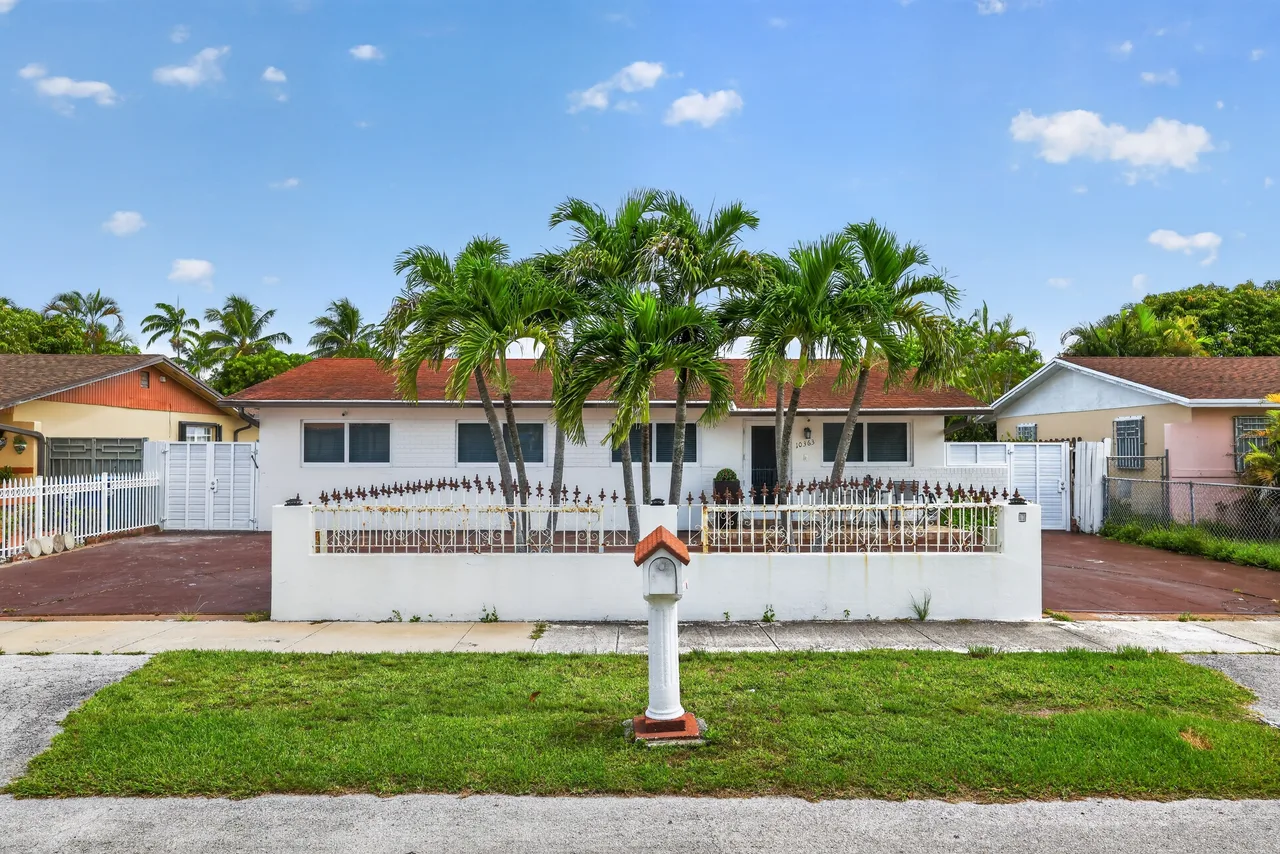
AI Makes an Old Problem Easier
Traditional photo manipulation required editing skill, time, and often a professional retoucher.
Generative AI has removed much of that friction.
A user can now type a few words and ask software to:
- Replace dead landscaping
- Remove power lines
- Add a swimming pool
- Change flooring or countertops
- Modernize a kitchen
- Create a luxury view
- Remove permanent fixtures
- Furnish an empty home
- Make a dated property appear fully renovated
Some of these tools can be useful. They can help buyers visualize potential improvements or understand how an empty room might function.
The problem is not the technology itself.
The problem is presenting an altered image as though it shows the property's current condition.
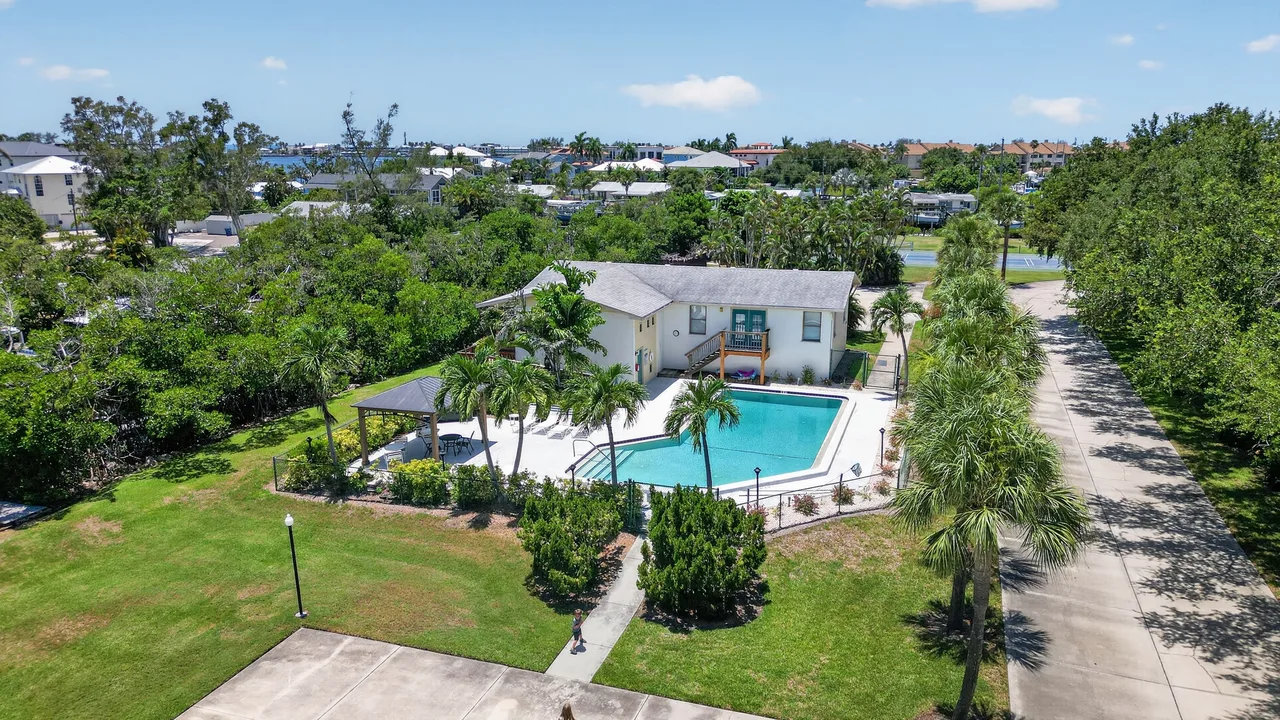
Normal Professional Editing Is Not Housefishing
There is an important distinction between improving a photograph and changing the property.
Professional real estate photos almost always require editing. Raw images rarely represent what the human eye experienced at the property.
Normal editing may include:
- Correcting exposure
- Adjusting color and white balance
- Straightening vertical lines
- Balancing bright windows with darker interiors
- Replacing an unattractive sky
- Removing temporary distractions
- Cleaning up garbage, trash cans, cars, cords, or cleaning supplies
These edits improve the presentation without materially changing the home.
Window pulls are a good example. Cameras often struggle to capture a bright outdoor view and a darker interior at the same time. Combining exposures allows the final image to more accurately represent what a person could see while standing in the room.
That is not deception. It is professional image processing.

Sky replacement is generally similar. Replacing a gray or washed-out sky does not change the property itself.
Grass enhancement is more situational. In many markets, grass naturally turns brown during the winter and becomes green again in the spring. Making seasonal grass look closer to its normal growing-season appearance may be reasonable.
However, replacing failing landscaping, hiding major lawn damage, or creating landscaping that does not exist crosses a different line. Landscaping can require significant time and money to change. Buyers should not be led to believe that work has already been completed.
Permanent Property Conditions Should Not Be Hidden
The clearest line involves permanent or materially important conditions.
A listing image should not silently remove or change features that a buyer will encounter at the property.
Examples include:
- Power lines
- Railroad tracks
- Nearby highways
- Permanent fixtures
- Significant landscaping problems
- Structural features
- Room dimensions
- Windows and doors
- Flooring
- Cabinets
- Countertops
- Major defects
- The actual condition of the home
Removing a trash can from a driveway is one thing. Removing power lines from the backyard is another.
The trash can is temporary. The power lines are part of the property's surroundings and may affect a buyer's decision.
The same standard should apply to virtual renovations. Showing what a dated kitchen could look like after renovation can be valuable. Presenting that image without making it clear that the renovation has not happened is misleading.

Disclosure Is the Real Solution
Many digitally altered images can still serve a legitimate marketing purpose.
Virtual staging can help buyers understand how an empty room might be used. A digitally renovated image can help demonstrate the potential of a fixer-upper. AI-generated concepts can make it easier for buyers to visualize updates.
These tools do not necessarily need to be prohibited.
They need to be disclosed.
When an image materially changes the physical property, that alteration should be clearly identified on the image and in the listing.
A buyer should not need to guess whether the photograph shows:
- The current condition
- Virtual staging
- A proposed renovation
- An AI-generated concept
- A digitally altered feature
Disclosure allows agents to use new technology while maintaining trust.
The standard should not require a label for every normal photo adjustment. Exposure correction and window pulls do not need to be treated the same as replacing a kitchen or removing a permanent structure.
The dividing line is whether the physical property has been materially changed.
Photographers and Agents Both Have Responsibility
The agent controls the listing and ultimately decides which images are published.
That means agents have a responsibility to review the media carefully and make sure any material alterations are disclosed.
But photographers and editing companies also have a role.
A photographer should not assume that all responsibility disappears once the files are delivered.
When an agent requests an edit that materially changes the property, the photographer should advise the agent that disclosure is needed. The edited files should also be clearly identified so they are not mistaken for standard photographs.
Photographers do not necessarily need to refuse every request. There are legitimate reasons to create virtually staged or digitally renovated images.
But professionals should recognize the difference between ordinary editing and material alteration.
If a misleading edit is made and nobody identifies it, both the photographer and the agent contributed to the problem.

Virtual Staging Can Also Go Too Far
Virtual staging is one of the most common and useful applications of digital editing in real estate.
When done properly, it helps buyers understand scale, furniture placement, and how a room could function.
But unrealistic virtual staging can create its own form of housefishing.
Furniture may be incorrectly scaled. A small room can be made to look much larger. Luxury finishes may be added to a modest property. The style may create an expectation that has little connection to the actual home.
Virtual staging should help explain the space, not reinvent it.
The strongest virtual staging uses realistic furniture, preserves the actual dimensions of the room, and makes it obvious that the furnishings were added digitally.
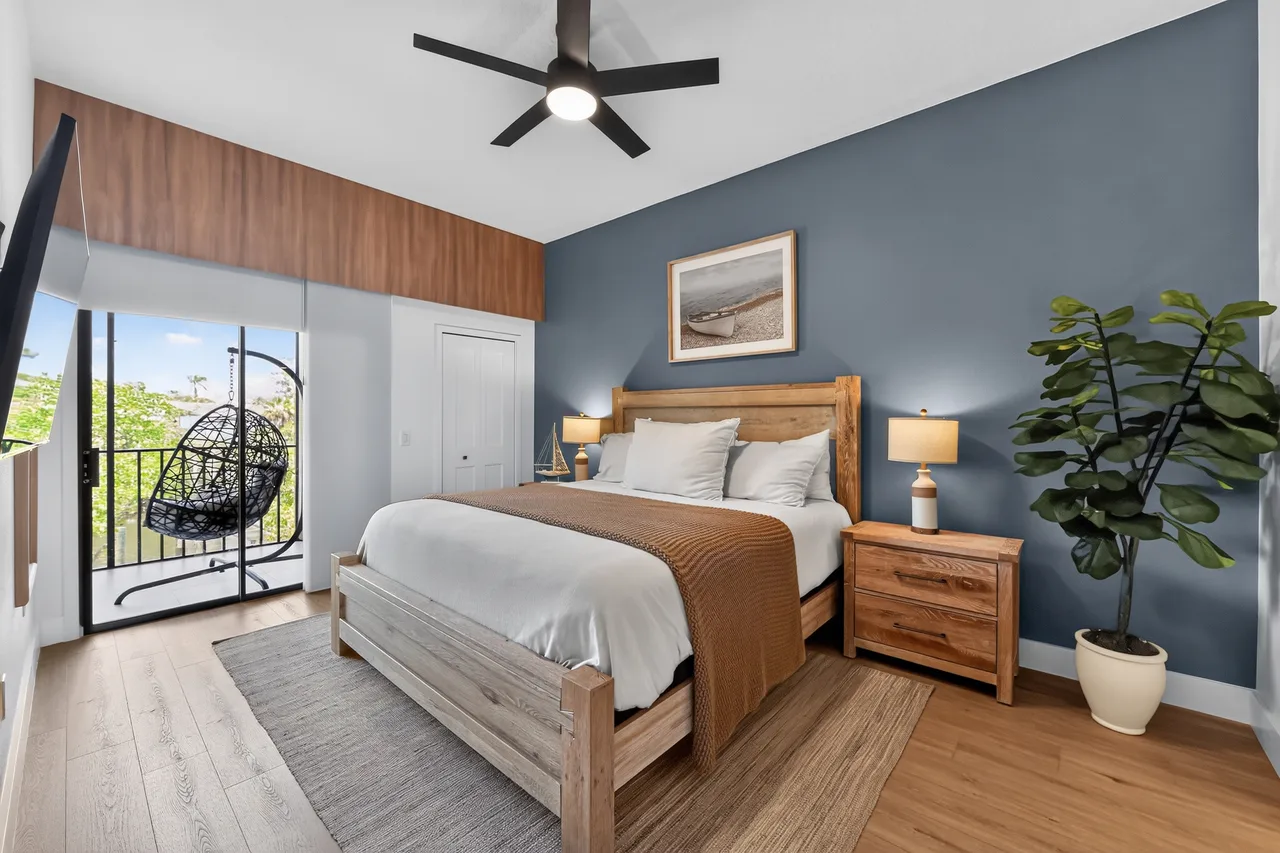
Housefishing Can Hurt the Seller
Misleading images may generate more attention online, but attention is not the same as a successful sale.
When buyers arrive and immediately realize the listing does not match the property, trust disappears.
That can lead to:
- Short or unsuccessful showings
- Frustrated buyers
- Complaints against the agent
- Wasted time for everyone involved
- Reduced confidence in the seller
- Buyers wondering what else has been concealed
A listing should attract buyers who are likely to remain interested after they see the home.
There is little value in generating clicks from people who would never consider the property if they understood its actual condition or surroundings.
Accurate marketing may produce fewer initial reactions in some cases, but it creates better-qualified interest.
The Goal Is Not to Make Homes Look Bad
Avoiding housefishing does not mean publishing dark, crooked, or unflattering images.
Sellers should still prepare their homes. Photographers should still use the best angles. Editors should still correct lighting, color, windows, and vertical lines.
The goal of real estate photography is to make a property look its best.
The ethical boundary is crossed when the marketing creates expectations that the real property cannot meet.
That is the standard we believe professional real estate media companies should follow:
Present the property at its best, but do not hide or materially change what the buyer is actually going to experience.

AI will continue to make real estate media more powerful. It will allow agents, sellers, and photographers to produce content that would have been impossible or prohibitively expensive just a few years ago.
That is a good thing—as long as transparency keeps pace with the technology.
Housefishing did not begin with AI.
But without clear standards and disclosure, AI could make it much harder for buyers to tell where professional presentation ends and fiction begins.
Frequently Asked Questions
What is housefishing in real estate?
Housefishing is any use of photography, editing, staging, composition, or selective framing that creates a materially false expectation of a property, whether or not AI is involved. The test is simple: will a reasonable buyer feel misled when they arrive at the property?
Is real estate photo editing considered housefishing?
No. Normal editing, such as correcting exposure, adjusting color and white balance, straightening vertical lines, balancing bright windows with darker interiors, replacing an unattractive sky, and removing temporary distractions, improves presentation without materially changing the home. That is professional image processing, not housefishing.
Did AI create housefishing?
No. Photographers have been able to influence buyer perception for decades through camera angles, lens choice, and framing. AI did not create the problem, it simply made it easier to go much further.
What real estate photo edits cross the line into housefishing?
Removing or hiding permanent or materially important conditions, such as power lines, railroad tracks, nearby highways, permanent fixtures, significant landscaping problems, structural features, room dimensions, and the actual condition of the home, crosses the line, especially when the alteration is not disclosed.
How should agents and photographers disclose AI-altered listing photos?
When an image materially changes the physical property, such as virtual staging, a proposed renovation, or an AI-generated concept, that alteration should be clearly identified on the image and in the listing so buyers are not left guessing what they are looking at.
Who is responsible for housefishing, the agent or the photographer?
Both. The agent controls the listing and decides which images get published, but photographers and editing companies also have a responsibility to flag when a requested edit materially changes the property and needs disclosure.