I came across an interesting company recently called Shift. Their idea is simple: they put cameras on house cleaners while they work.
Every movement gets recorded. Every task gets documented. Cleaning a bathroom, making a bed, wiping down a kitchen counter, vacuuming a floor.
The goal isn't just quality control. The goal is to create training data for robots.
At first, that sounds like something out of a science fiction movie. But the more I thought about it, the more it actually made sense.
If you want a robot to clean a house, you first need to teach it how humans clean a house. The easiest way to do that is to record thousands of hours of people doing the job. Eventually, the robot learns.
And that got me thinking: what other jobs could be trained this way? And perhaps more importantly, what jobs can't?
Why Cleaning Makes Sense For AI Training
House cleaning is actually a great example of a task that could eventually be automated. Every house is a little different, but the core tasks are very similar.
You wipe counters. You clean sinks. You vacuum floors. You make beds. You clean toilets.
There is also a pretty clear definition of success. The counter is either clean or it isn't. The floor is either vacuumed or it isn't. The bed is either made or it isn't.
That makes cleaning an ideal candidate for robotic training. The same could probably be said for a lot of other industries.
Landscaping, warehouse work, package sorting, food preparation — many of these jobs involve repeatable physical actions performed thousands of times per day. That is exactly the kind of environment where AI and robotics tend to thrive.
What About Real Estate Photography?
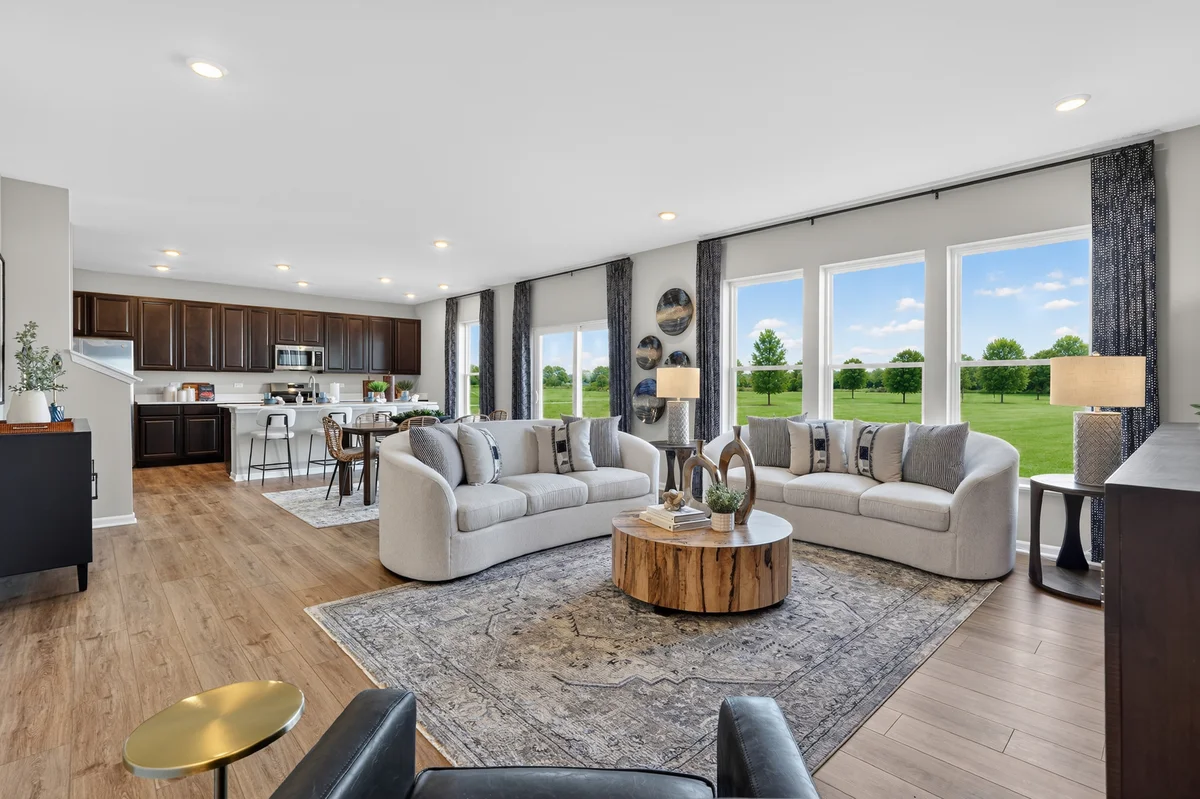
As the owner of a real estate photography company, this naturally made me wonder whether photographers could eventually train robots the same way.
In theory, you could record what photographers do. You could put cameras on them. You could track where they stand, what they shoot, how they frame a room, and how they move through a property.
But I think photography presents a very different challenge. When a photographer walks into a property, they are not simply following a checklist. They are making hundreds of small decisions.
Which angle best shows the room? Should the shot be taken from the corner or the doorway? Should something be moved? What should be hidden? What deserves emphasis? How should the lighting be balanced? What makes this home feel special?
Two experienced photographers can walk into the exact same property and create completely different results. Sometimes both can be excellent.
That is because photography is not just documentation. It is interpretation.
We Have Seen This Before
If you have been around real estate technology long enough, you have probably heard some version of this promise before: scan the home once and generate everything automatically. Photos. Floor plans. Measurements. 3D tours.
Years ago, many people believed this would eventually replace traditional real estate photography.
One of the most talked-about examples was Matterport. The technology was impressive, and in many ways, it still is.
The idea was that if you could create a detailed 3D model of a property, you could extract photographs directly from the scan. Technically, that worked. But in practice, it never replaced professional photography.
Why? Because technically accurate is not the same thing as visually appealing.
A scanner can document a room. A photographer can market a room. Those are very different goals. A floor plan tells you where the walls are. A great photograph makes you want to live there.
AI Is Already Changing Photography
This is not an article about photographers being immune to AI. Far from it. AI is already changing photography, and it is changing it quickly.
At HomeJab, we use AI throughout our business. AI helps with editing. AI helps create videos. AI helps automate workflows. AI helps us schedule jobs more efficiently.
The technology is improving incredibly fast, and the photographers who embrace these tools will have an advantage over those who do not.
But there is a difference between improving a photographer and replacing one. The creative decisions still matter. The human judgment still matters.
The ability to walk into a unique property and understand what makes it appealing still matters. At least for now, that is not something you can simply learn by recording thousands of hours of video.
The Human Touch May Last Longer Than People Think
When people talk about AI replacing jobs, they often assume every industry will follow the same timeline. I do not think that is true.
The jobs most vulnerable to automation tend to have one thing in common: the work is highly repeatable. The more predictable the task, the easier it is to teach a machine. The more subjective the task, the harder it becomes.
Real estate photography sits in an interesting place. There are certainly parts of the process that AI can automate. Many already have been.
But the part that creates real value is not pushing a button. It is deciding what story the property should tell. That is still a human skill, and it may remain one longer than people expect.
The future probably is not AI replacing photographers. It is photographers using AI to become dramatically better at what they already do.