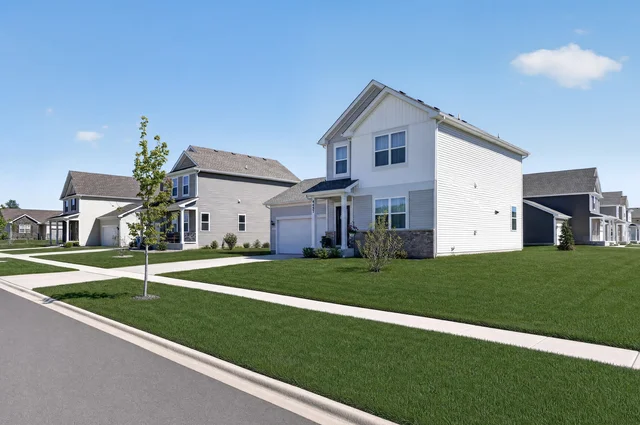
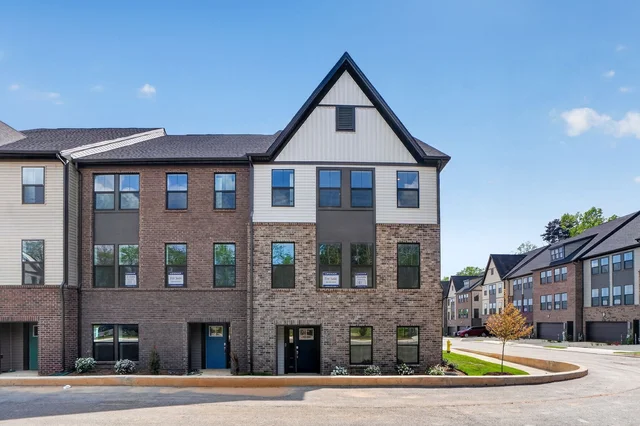
A new debate is starting to show up in real estate photography: if an agent takes listing photos and uses AI to turn them into a video, is that allowed?
Some photographers say no. They believe agents should not be able to take photos from a listing shoot and use AI tools to create videos, reels, or other marketing content from them.
I understand the concern. Professional media has value, and copyrights matter. But I think that argument misses the bigger point.
Real estate photos are created for one main purpose: to market a property.
An agent is not ordering listing photos as artwork. They are ordering media to help sell or rent a home. For years, that meant using photos on the MLS, Zillow, Realtor.com, brokerage websites, flyers, email campaigns, and social media. Today, it also means Instagram Reels, YouTube Shorts, TikTok, paid ads, automated slideshows, and AI-generated property videos.
The format has changed. The purpose has not.
If an agent uses listing photos to create a short AI video for the same property, I do not see that as some completely new or unauthorized use. I see it as modern real estate marketing.
The Real Question Is Licensing
The question should not simply be, "Who owns the AI video?"
The better question is, "What rights did the agent receive when they purchased the listing media?"
That is where the real estate industry has always been messy. Sometimes the photographer owns the images. Sometimes the media company owns them. Sometimes the brokerage has certain rights. Sometimes the agent only has a limited license. And sometimes nobody is really clear.
AI did not create that problem. AI exposed it.
If the license says the agent can use the media to market the property, then using those photos in an AI-generated property video should generally be allowed. It is still marketing the same listing.
That is very different from taking those photos and using them for another property, selling them as stock images, giving them to another agent for unrelated use, or uploading an entire library of images to train an AI model. Those are separate issues and should be treated differently.
Using AI to make a video for the same listing is marketing.
Using photos to train a broader AI system is something else.
The industry should not confuse the two.
AI Videos Can Have Multiple Layers of Rights
Another reason this debate gets complicated is that an AI video may have several layers of rights.
There may be rights in the original photos. There may be rights in the edited images. There may be rights in the music, captions, branding, voiceover, layout, or final edit. There may also be creative decisions in which photos were selected, how they were ordered, and how the final video was assembled.
But the purely AI-generated parts of the video may not automatically be protected by copyright unless there is enough human authorship involved.
That is an important distinction.
If someone simply uploads photos, clicks a button, and accepts whatever the AI tool creates, their copyright claim in the final AI output may be weak. But if a person carefully selects the best images, arranges them in a specific order, adds captions, chooses music, edits the timing, adds branding, and shapes the final presentation, then there may be protectable human authorship in those creative choices.
In other words, an AI video is not always one simple thing with one simple owner.
The source photos may be owned or controlled by one party. The final edit may include human creative decisions by another. The AI-generated motion or effects may have limited copyright protection. That is why the contract and license terms matter so much.
Agents Need Practical Rights
At HomeJab, our view is simple: agents should have broad rights to use the media they purchase to market the property.
That should include the MLS, real estate portals, brokerage websites, property websites, email, print, social media, paid ads, short-form video, and AI-generated property videos.
The key limitation should be purpose.
If the media is being used to market the same listing, that should generally be allowed. If it is being used for a different property, sold as stock content, used in a misleading way, or used to train an AI model without permission, that is a different issue.
This is the balance the industry needs.
Photographers and media companies should protect their work. Agents should also have the flexibility to market listings where buyers are actually paying attention.
AI video is not a threat to real estate photography. It is another way to use great real estate photography.
Where the Industry Should Land
The future of listing media is not just photos or videos. It is content that can be used across multiple platforms in multiple formats.
A single listing shoot may now produce photos, floor plans, 3D tours, reels, property websites, social ads, and AI-generated videos. That is where the industry is going.
Trying to block agents from using listing photos in AI videos is the wrong approach. The better approach is clear licensing.
Agents should know what they can do with the media they purchase. Media companies should make those rights easy to understand. And everyone should separate normal listing marketing from unrelated or unauthorized uses.
AI did not change the purpose of real estate media.
It just gave agents another way to market the property.