For the last decade, one of the biggest ideas in residential real estate has been the iBuyer.
Companies like Opendoor and Offerpad built a simple pitch around a very real problem. Selling a home can be stressful. You have repairs, showings, negotiations, financing contingencies and no guarantee of when the property will actually sell.
The iBuyer solution was to remove most of that uncertainty. Get an offer, pick a closing date and sell the house without putting it through the traditional process.
For some homeowners, that is a great option.
But it has always had one natural limitation: most sellers also want to know they are getting the highest possible price for their home.
There is a tradeoff between certainty and market exposure.
If one company makes you a cash offer, you know exactly what you can get today. If you prepare the home properly, put it on the MLS and expose it to the entire market, you have the opportunity to attract multiple buyers and potentially achieve a better outcome.
That does not mean the traditional sale is always better. It depends on the property and the seller.
A homeowner dealing with a distressed property, a major repair issue, an inherited home or an urgent need to move may place a much higher value on speed and certainty.
But for a seller with some time, the question is different.
How much could this home be worth if we prepared it correctly before putting it on the market?
The iBuyers Are Starting to Change
This is why I think what is happening at Opendoor right now is interesting.
Historically, the Opendoor funnel was built around getting a homeowner to accept an Opendoor offer.
Over time, the company built relationships with agents, but the cash offer remained at the center of the model.
That has started to change.
Opendoor began testing a program where homeowners coming through its funnel could be connected with local listing agents. Those agents could help the seller decide between an Opendoor cash offer and a traditional MLS listing.

The early results were strong enough that Opendoor has continued expanding that approach. The company has said listing conversion through the agent-assisted model was significantly higher than through its traditional direct-to-consumer funnel.
Today, Opendoor is increasingly presenting sellers with multiple paths instead of a single one.
That makes sense.
If someone comes to Opendoor because they are thinking about selling their home, that customer has value whether Opendoor ultimately buys the property or not.
The bigger opportunity may not be getting every homeowner to sell directly to Opendoor.
It may be becoming the place homeowners go to start the selling process.
Offerpad has been moving in a similar direction. In addition to cash offers, it now offers brokerage services and operates a renovation business that handles work not only on its own properties but also for third-party partners.
I think that evolution says something important about where the industry is going.
HomeJab Starts From the Other Direction
At HomeJab, we look at the problem almost in reverse.
Our first question is not:
What will somebody pay for this house today?
It is:
What does this property need in order to sell for the highest possible value?
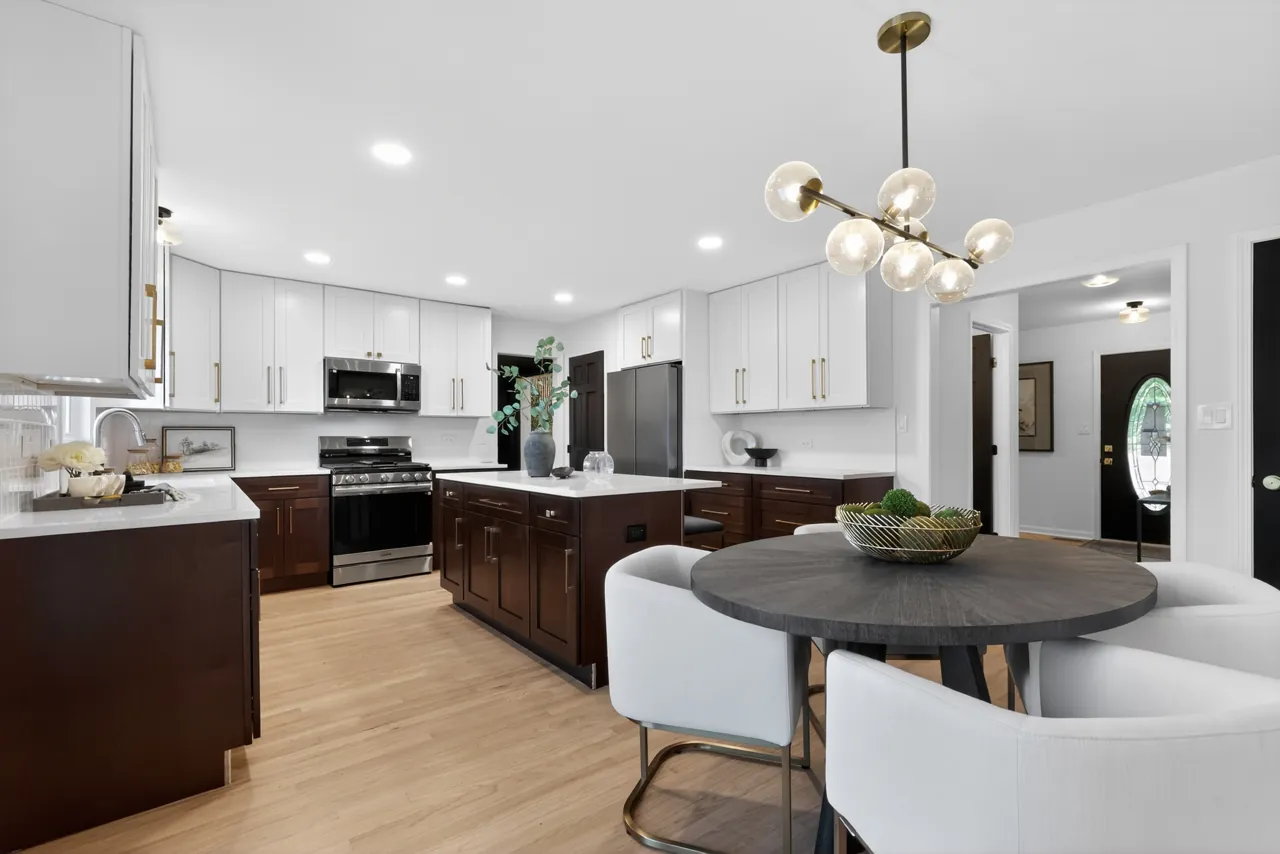
Sometimes the answer is very little.
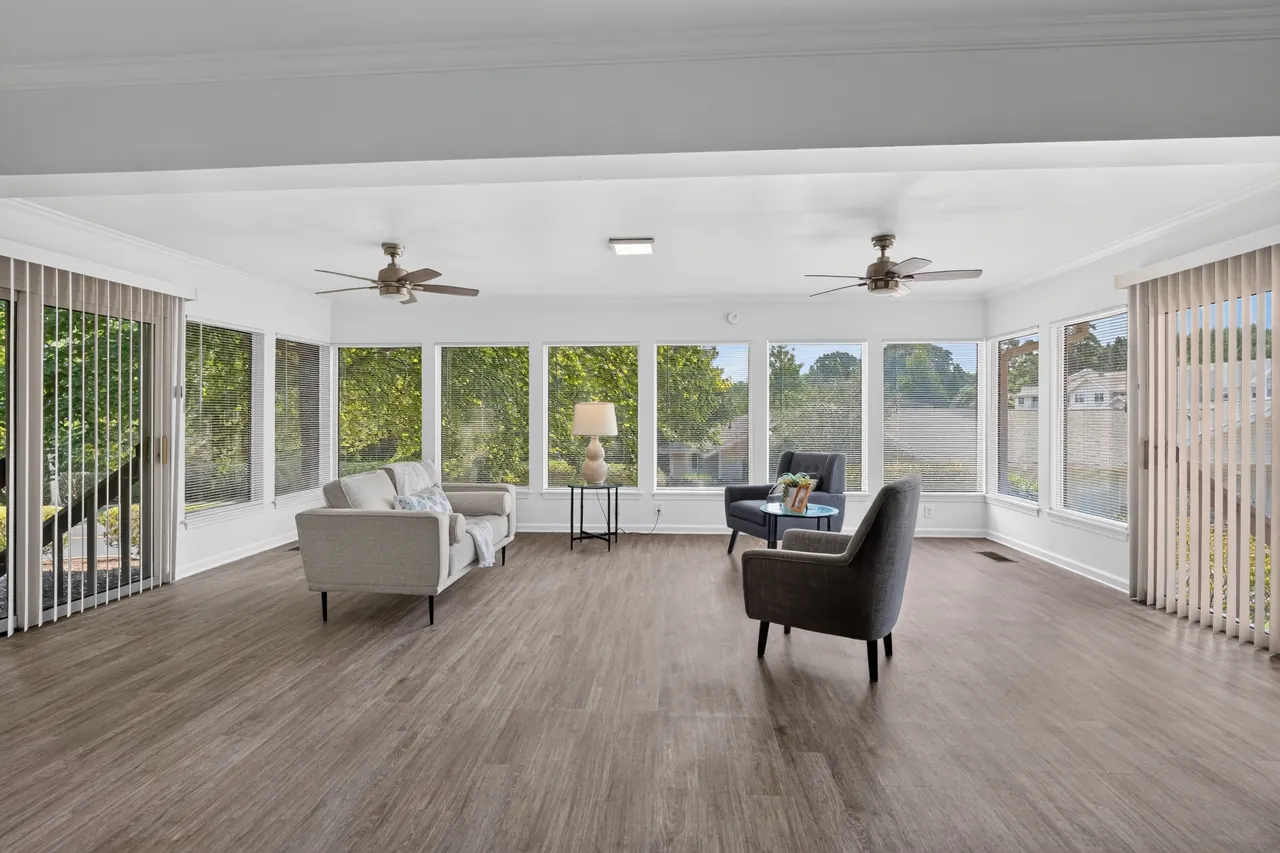
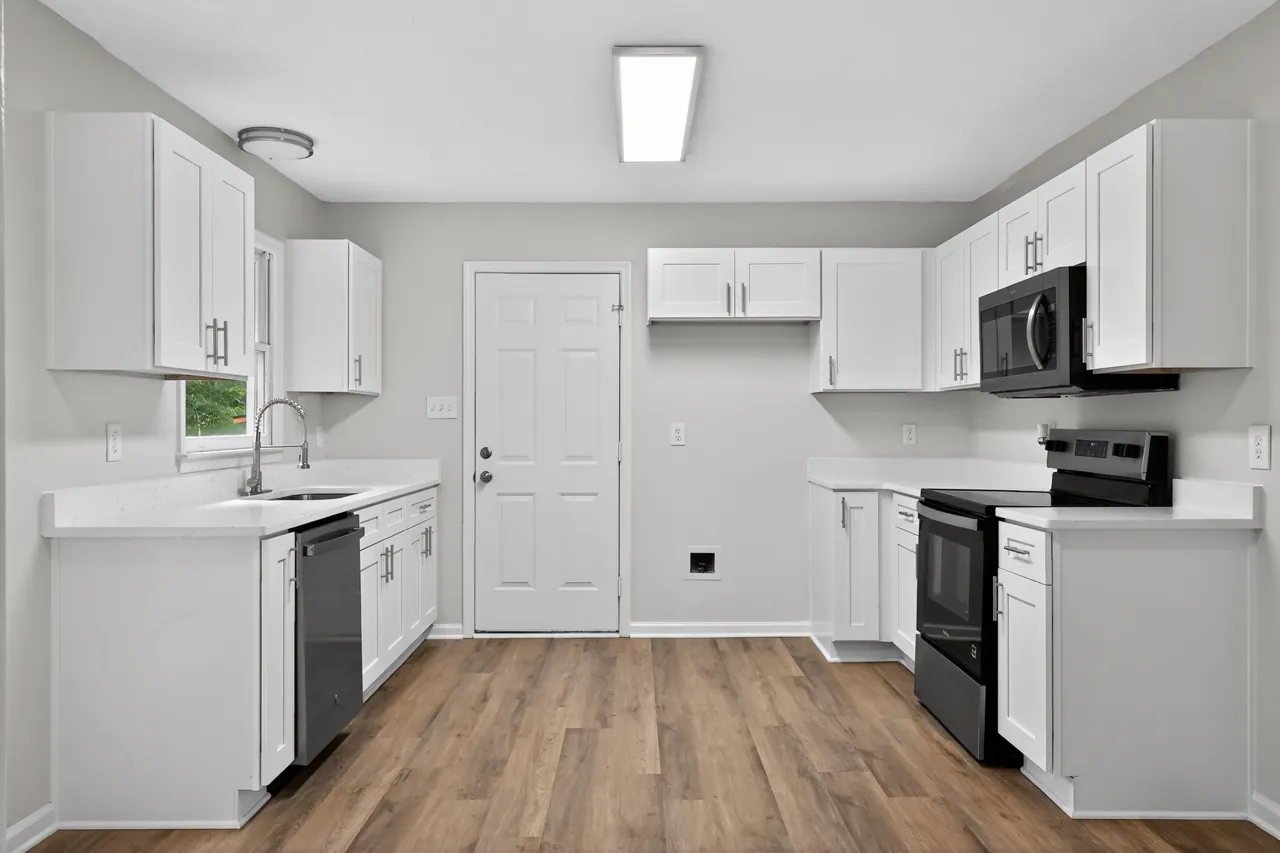
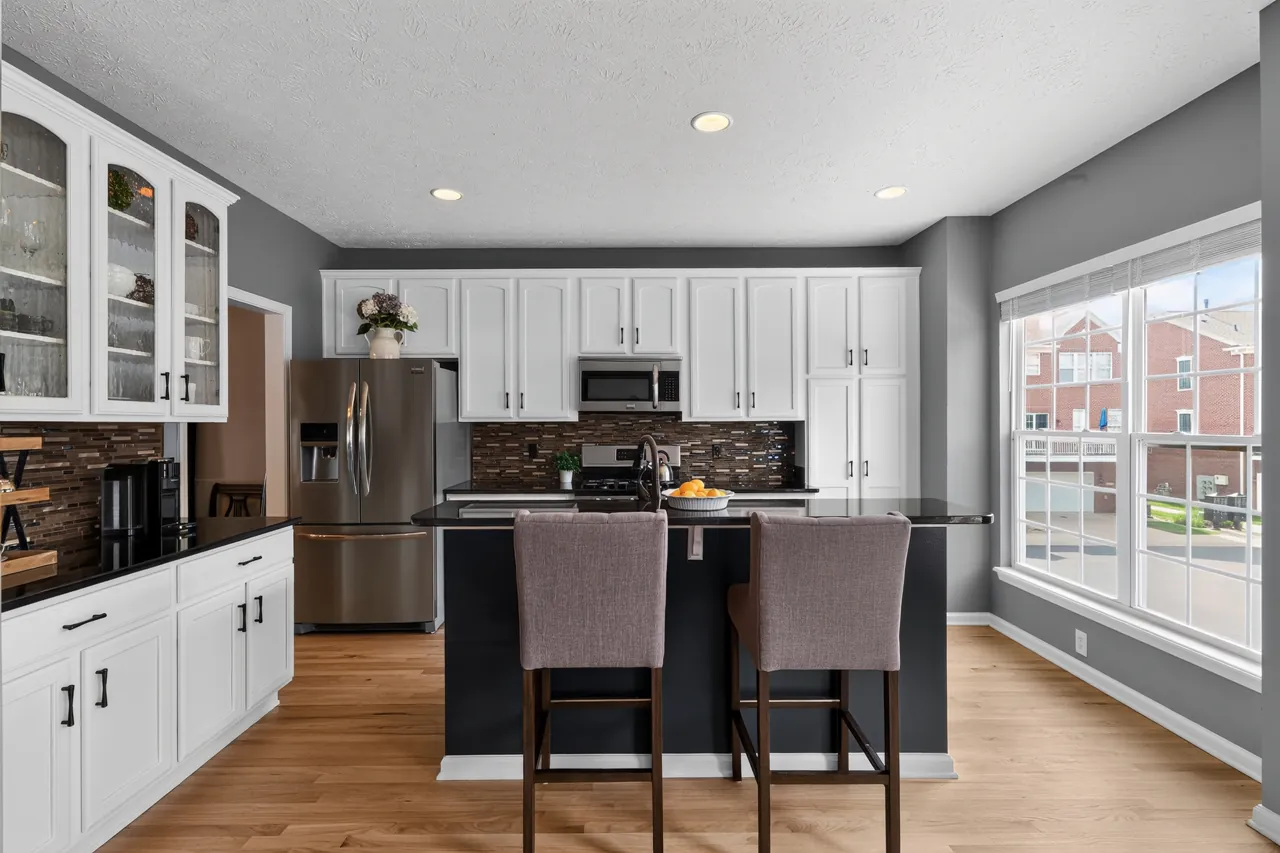
Other homes may need cleaning, landscaping, paint, junk removal, minor repairs, flooring, a locksmith, a sign or other work before they are ready for the market.
Then comes the media.
Professional photography, video, floor plans, aerials and the other marketing assets are the final step before the listing goes live.
The goal is to give the agent and homeowner one place to coordinate everything needed to get the property ready for sale.
And importantly, the seller does not necessarily have to come out of pocket for the work upfront. With Pay at Close, eligible sellers can complete the necessary listing prep and pay those costs when the home closes.
That removes one of the biggest reasons sellers skip work that could potentially improve the sale.
Cash Offers Still Have an Important Role
I do not think cash offers are going away.
Quite the opposite.
There are plenty of situations where a cash buyer is exactly what the homeowner needs.
If a property requires too much work, the economics of preparing it do not make sense, or the seller simply values speed and certainty more than maximizing price, a cash sale can be the best option.
The difference is the order.
An iBuyer traditionally starts with:
Can we buy this house?
Our approach starts with:
Can we help this homeowner and agent maximize the outcome on the open market?
If the answer is yes, we prepare the property and get it ready to list.
If the answer is no, then a cash buyer becomes another option.
Neither approach is right for every homeowner.
But I think giving the seller multiple paths is better than forcing every property through the same one.